

Emergency Hotline
+(603) 5515 1999

Appointments
+(603) 5515 1966
General Line
+(603) 5515 1888

 November 11, 2023

Breast cancer is a topic that touches the lives of millions of people around the world. It is a disease that not only affects the individual diagnosed but also has a significant impact on their families, friends, and communities.
In this comprehensive guide, we will delve into breast cancer, exploring its treatment options, the path to recovery, and the vital role of support.
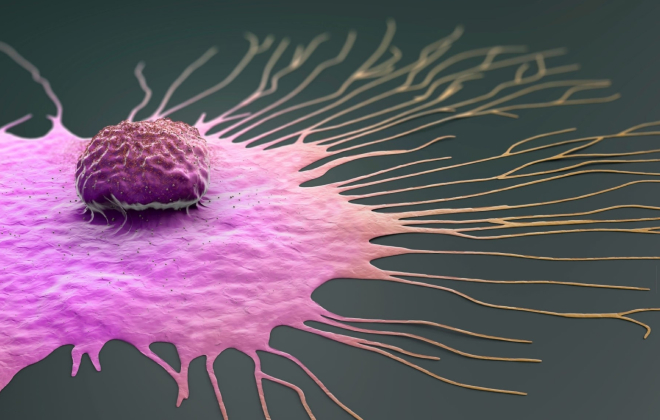
What is Breast Cancer?
Breast cancer is a type of cancer that primarily affects women. It typically originates in the milk ducts or milk-producing glands of the breast tissue. However, it can also develop in other areas of the breast. Symptoms of breast cancer may include a lump in the breast or armpit, changes in breast size or shape, unusual discharge, skin changes (like dimpling or redness), and breast pain.
You can read our article, ‘Breaking Down Breast Cancer – Causes, Symptoms, and Diagnosis‘, to gain a deeper understanding of the disease.
Cancer treatment refers to a range of medical interventions aimed at combating and managing the growth and spread of cancer cells within the body. The objective is to eliminate cancerous cells, prevent their recurrence, alleviate symptoms, and improve patients’ overall quality of life.
Various factors are considered when determining an appropriate course of treatment, such as:
The type and subtype of the tumour including hormone receptor status.
Based on these, the breast cancer care team specifically tailors the treatment as per individual patient’s needs. However, a few general methods are followed for treating early-stage and locally advanced breast cancer.
Surgery is one of the commonly used treatment options used for treating breast cancer at an early stage. It involves removing the tumour or the entire breast. Two types of surgery are generally performed to treat breast cancer:
Involves removing an entire breast using surgery. Mastectomy can be of different kinds. In some cases, the skin is preserved (skin-sparing mastectomy), and the nipple can be preserved (nipple-sparing mastectomy) in others. The type of mastectomy is decided by the doctor based on the size of the breast and the stage of cancer.
Lumpectomy is where the tumour and a small cancer-free healthy tissue (known as margin) are removed around the tumour. Since most of the breast remains as is after a lumpectomy, it is sometimes referred to as breast-conserving surgery.
This intricate procedure involves the skilled hands of a surgical oncologist who carefully plans and executes the operation while considering factors such as tumour location, size, and stage. With advancements in medical technology, minimally invasive surgical techniques, including laparoscopy and robotic-assisted surgery, have gained popularity due to the shorter recovery time and reduced pain compared to traditional open surgeries.
Radiation therapy, or radiotherapy, is a powerful cancer treatment that uses high-energy radiation to destroy cancer cells. It damages the DNA in these cells, preventing them from multiplying and spreading. There are two ways to administer this treatment: externally, using a machine that directs the radiation to the affected area, or internally, by placing radioactive material near the tumour inside the body. Radiation therapy is an important part of cancer treatment and can be used to shrink tumours before surgery, kill any remaining cancer cells after surgery, or provide relief for patients with advanced-stage cancer. It requires careful planning and precise delivery to ensure it is effective and minimises damage to healthy tissues. Radiation therapy is often the preferred mode of treatment for invasive cancer, especially in young patients, patients with large tumours and patients with hormone receptor-negative tumours. Radiation therapy is also commonly used for Ductal carcinoma in situ (presence of cancerous cells inside the milk ducts in the breast) patients.
Chemotherapy is a common and effective cancer treatment. Drugs are used to kill fast-dividing cells, including cancer cells. The drugs can be given orally, by injection, or intravenously to stop tumour growth and prevent spreading. Specific drugs are chosen based on the cancer type and patient factors. However, chemotherapy also affects healthy cells that divide rapidly, causing side effects like hair loss and digestive issues.
Side effects may include hair loss, fatigue, nausea, and decreased cell counts. However, advancements in research have led to targeted therapies and reduced doses that minimise side effects while maximising effectiveness. Chemotherapy is continually being improved and personalised to achieve better outcomes for cancer patients.
Hormone therapy is an important part of cancer treatment, especially for tumours that test positive for oestrogen (ER-positive) or progesterone receptors (PR-positive). Such kinds of tumours use hormones to fuel their growth. Hormone therapy works by blocking or reducing these hormones.
Hormonal therapy is used independently or sometimes after chemotherapy to obtain the best results. Hormone therapy is sometimes used before surgery to shrink a tumour. This aids in the surgery and also lowers the risk of recurrence. In some cases, usually, hormone therapy is given 3 to 6 months before surgery and sometimes continued even after the surgery. This is known as neoadjuvant hormone therapy. When hormone therapy is administered solely after surgery to reduce the risk of recurrence, it is called adjuvant hormone therapy.
Targeted therapy is a novel approach in cancer treatment that attacks specific genes, proteins and tissues involved in the growth and survival of cancer cells. Unlike traditional chemotherapy, which often affects healthy cells alongside cancerous ones, targeted therapy specifically tailors treatment to the characteristics of individual tumours.
This highly specialised approach utilises drugs that interfere with specific proteins or pathways involved in tumour formation and proliferation. The development of targeted therapies has transformed the landscape of cancer care, allowing for more effective treatments with fewer side effects.
Immunotherapy is a new branch of cancer treatment that harnesses the immune system to fight against cancer. It has shown promise in treating various types of cancers and involves using substances like antibodies to target cancer cells. This treatment offers the possibility of lasting remission and better survival rates with fewer side effects compared to chemotherapy or radiation therapy. Although this field is still evolving, immunotherapy has the potential to revolutionise cancer treatment worldwide.
It is a known fact that the stage plays an important role in prognosis and recovery. Well, in treatment too. The stage is one of the primary factors which guides therapy choices.
Staging ranges from 0 to IV, reflecting the size of the tumour, involvement of the lymph node, and the level of spreading to other organs. Here’s a brief and generic overview of how treatment choice varies based on stage:
Cancer cells are only present in the ducts and nodules of the breast and have not spread to the surrounding tissues. This is also known as non-invasive cancer. Treatment often involves surgery, specifically a lumpectomy or mastectomy. Radiation therapy may follow surgery in some cases. Hormone therapy may be recommended for hormone receptor-positive DCIS.
This is when the disease is invasive. 2 types of cancer cells are found during this stage – the tumour size is up to 2 centimetres (cm) and has not spread to the lymph nodes (Stage IA) and where the tumour size is less than 2 cm or the tumour is in the lymph nodes of the breast and not in the breast tissue (Stage IB). The common treatment for Stage I involves surgery, such as lumpectomy or mastectomy. Radiation therapy may be recommended following surgery, especially after a lumpectomy. Chemotherapy is usually not required for Stage I unless other high-risk factors are present.
This is also an invasive breast cancer which can be of two types:
Treatment for Stage II may involve surgery (lumpectomy or mastectomy). Radiation therapy is also often recommended, particularly if the tumour is large or lymph nodes are involved. Chemotherapy may be considered, especially for larger tumours or lymph node involvement.
Stage III cancer, which is also invasive, can be of three types:
Treatment for Stage III usually begins with surgery (mastectomy) and may involve removing lymph nodes. Chemotherapy is typically given before surgery (neoadjuvant chemotherapy) to shrink tumours. Radiation therapy is used after surgery if needed.
This is the most advanced stage of breast cancer where the tumour can be of any size, but the disease has spread to other organs and tissues such as distant lymph nodes, bones, lungs, brain or chest wall. Treatment focuses on controlling the cancer and relieving symptoms rather than cure. Options include chemotherapy, targeted therapy, hormone therapy, and immunotherapy. Radiation therapy may be used for symptom relief or to target specific metastatic sites.
Receiving a breast cancer diagnosis can be overwhelming and the journey to recovery can be physically and emotionally challenging. However, with the right support and resources, many individuals successfully navigate this path.
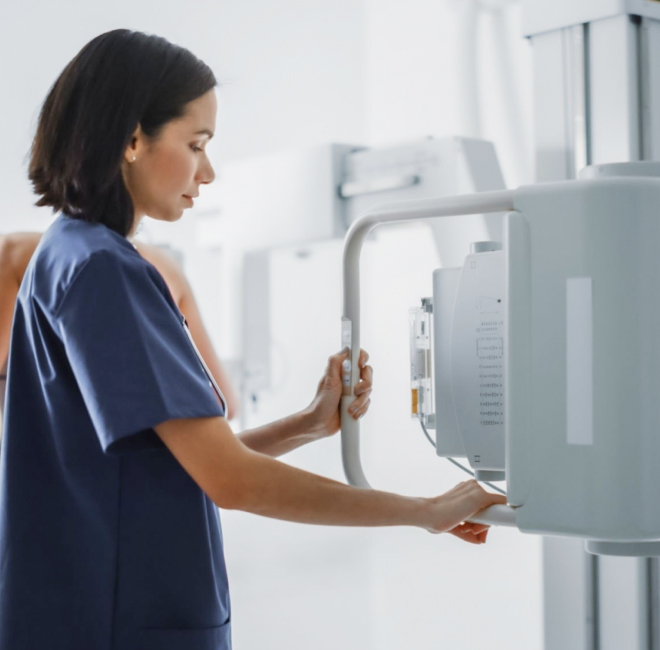
Seek Information: Knowledge is empowering. Educate yourself about your specific diagnosis, treatment options, and potential side effects.
Support System: Lean on family and friends for emotional support. Joining a breast cancer support group can provide invaluable connections with others who understand your experience. Here are some of the support available to breast cancer patients in Malaysia. You can get in touch with them for any kind of assistance and information regarding the disease.
Mental Health: Don’t neglect your mental well-being. Consider seeking professional counselling or therapy to help you cope with the emotional toll of the diagnosis.
Breast cancer treatment can take a toll on the body. Here are some tips for managing physical recovery:


Practical support can be equally important:
For more information on Breast Cancer and its treatment options, you can get in touch with us and make an appointment with our expert oncologist, Dr. Azura Rozila Ahmad.
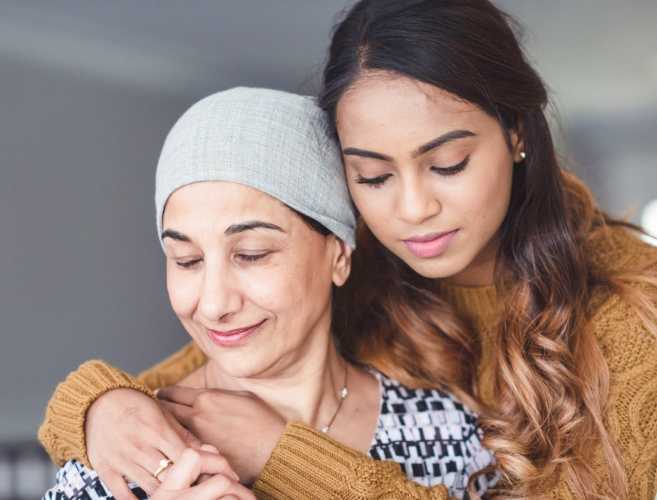
Breast cancer is a formidable adversary, but advances in research and treatment have improved the outlook for those affected. A breast cancer diagnosis is not the end of the road; it is the beginning of a journey filled with challenges and triumphs. With the right medical care, support network, and personal determination, many individuals successfully navigate this path, emerging as survivors who inspire others.
Remember that you are not alone on this journey. Reach out for support, advocate for your needs, and prioritise your physical and emotional well-being. Together, we can raise awareness, promote early detection, and support those affected by breast cancer, ensuring that more individuals continue to celebrate life beyond this diagnosis.
Sources:
 Call Us
Spread the love, follow us on our social media channels