

Emergency Hotline
+(603) 5515 1999

Appointments
+(603) 5515 1966
General Line
+(603) 5515 1888

 January 25, 2026

As we age, natural changes occur throughout the body-and the eyes are no exception. While some vision changes are a normal part of ageing, others may indicate eye disease that requires early detection and treatment. At our hospital, we believe in empowering patients with knowledge that supports long-term eye health.
This guide explains how age affects your eyes, the most common age-related eye conditions, and the warning signs that should prompt a professional eye assessment. Regular eye examinations and timely treatment can help protect your vision and maintain quality of life.
Ageing affects several structures of the eye, including the lens, retina, cornea, and tear glands. Over time, these changes can lead to reduced visual clarity, increased sensitivity to glare, and a higher risk of eye disease.
Common age-related eye changes include:
While these changes can be normal, it is important to monitor them and seek professional advice if they affect daily activities.
Presbyopia is a natural age-related condition that affects near vision. It typically begins in the early to mid-40s.
Symptoms of presbyopia include:
Presbyopia can be corrected with reading glasses, bifocals, or multifocal contact lenses.
A cataract is a clouding of the eye’s natural lens. It is one of the most common eye conditions affecting older adults and can gradually reduce vision quality.
Cataract symptoms include:
Cataract surgery is a safe and effective treatment, and our hospital’s ophthalmology team can provide a personalised assessment and surgical plan.
Glaucoma refers to a group of eye diseases that damage the optic nerve, often due to increased eye pressure. Glaucoma is a leading cause of irreversible vision loss if left untreated.
Common warning signs include:
Because glaucoma may progress without symptoms, regular eye examinations are essential-especially for patients with a family history of glaucoma.
Age-related macular degeneration affects the macula, the central part of the retina responsible for sharp vision. AMD is a major cause of vision loss in people aged 50 and above.
AMD symptoms may include:
Early diagnosis can help slow progression through treatment and lifestyle modifications.
Diabetic retinopathy is caused by damage to the retinal blood vessels due to high blood sugar levels. It can occur in patients with diabetes and the risk increases with age and disease duration.
Symptoms may include:
Regular retinal screening is essential for patients with diabetes to detect changes early and prevent complications.
Dry eye becomes more common with age due to reduced tear production and changes in tear composition.
Dry eye symptoms include:
Treatment options range from lubricating eye drops to medical therapies for severe cases.
Some eye symptoms should not be ignored and require urgent medical assessment:
Seek emergency care if you experience:
These symptoms may indicate serious conditions such as retinal detachment, optic nerve problems, or acute glaucoma.
Regular comprehensive eye exams can detect early signs of eye disease, often before symptoms appear. Our hospital’s ophthalmology team provides full eye assessments including vision testing, intraocular pressure measurement, and retinal evaluation.
Ultraviolet (UV) light can contribute to cataract formation and macular degeneration. Wearing sunglasses with UV protection and a wide-brimmed hat can reduce UV exposure.
Healthy habits support long-term eye health:
With increased screen time, digital eye strain is common. Follow the 20-20-20 rule: every 20 minutes, look at something 20 feet away for 20 seconds.
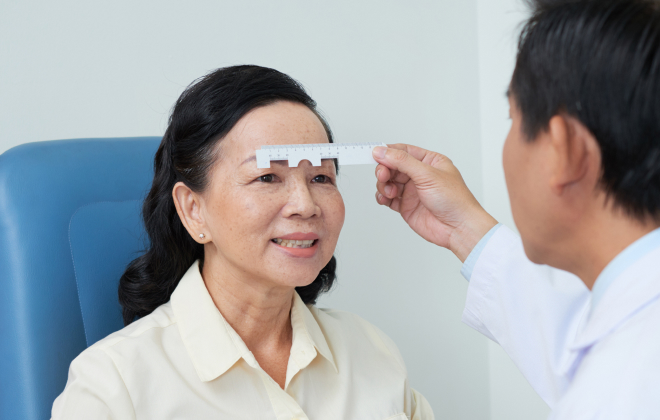
While ageing affects the eyes in many ways, early diagnosis and advanced eye care treatment can help protect your vision and long-term eye health.
Book your ophthalmology consultation today with our expert ophthalmologists and vitreoretinal specialists:
 Call Us
Spread the love, follow us on our social media channels