

Emergency Hotline
+(603) 5515 1999

Appointments
+(603) 5515 1966
General Line
+(603) 5515 1888

 May 19, 2026

In 2026, Malaysia continues to face a steady burden of tuberculosis (TB) cases each year, consistent with its classification as an upper moderate-burden country, with notification rates historically ranging between 50 to 99 cases per 100,000 population. Although national health authorities have strengthened screening programs and treatment protocols, several challenges remain. Urban centres such as Kuala Lumpur and Selangor report higher case numbers due to dense populations and increased movement of people.
Guided by the Ministry of Health’s National Strategic Plan to End TB (2021–2030), Malaysia has aligned its efforts with the global End TB Strategy, which aims for a 90% reduction in TB incidence, a 95% reduction in TB-related deaths, and the elimination of catastrophic costs faced by TB-affected households by 2035. Interim national targets for 2030 include reducing TB deaths by 50% compared to 2015 levels (to below 848 deaths, or 2.2 per 100,000 population), lowering the TB notification rate to below 30 per 100,000 population (approximately 11,500 cases), and achieving a treatment success rate of at least 90%.
One of the ongoing concerns is delayed diagnosis. Many individuals dismiss early symptoms as minor respiratory infections, leading to late-stage detection and increased risk of transmission. Additionally, the coexistence of tuberculosis with chronic conditions such as diabetes has complicated disease management, as weakened immunity makes individuals more susceptible to infection.
Another emerging issue is drug-resistant TB, which develops when treatment is incomplete or inconsistent. This form of TB requires longer and more complex treatment, placing a greater strain on both patients and the healthcare system. In response, national strategies have emphasized strengthening the programmatic management of drug-resistant TB, alongside expanding preventive treatment and improving case detection, including among high-risk groups such as children and individuals with co-morbidities.
To address these multifaceted challenges, Malaysia continues to implement six key strategic approaches:
Together, these efforts are critical to accelerating progress toward the Sustainable Development Goals and ultimately ending TB as a public health threat in Malaysia.
Tuberculosis is an infectious disease caused by the bacterium Mycobacterium tuberculosis. It most commonly affects the lungs, a condition known as pulmonary tuberculosis, but it can also spread to other parts of the body such as the lymph nodes, spine, brain, and kidneys. When TB affects organs outside the lungs, it is referred to as extrapulmonary tuberculosis.
The disease spreads through microscopic droplets released into the air when an infected person coughs, sneezes, speaks, or even sings. These droplets can remain suspended in the air, especially in enclosed or poorly ventilated spaces, making transmission more likely in crowded environments. Unlike some infectious diseases, TB does not spread through casual contact such as shaking hands or sharing food, but prolonged exposure increases the risk significantly.
Recognising the symptoms of tuberculosis early is one of the most effective ways to prevent complications and limit its spread. However, TB symptoms often develop gradually and may initially be mild, which can lead to delays in seeking medical attention.
Pulmonary TB, which affects the lungs, is the most common form of the disease. It typically begins with a persistent cough that lasts for more than two to three weeks. Over time, the cough may worsen and be accompanied by sputum production. In some cases, individuals may cough up blood, which is a more serious sign that requires immediate medical evaluation.
As the infection progresses, patients often experience chest discomfort or pain, especially when breathing deeply or coughing. General symptoms such as fatigue, unexplained weight loss, reduced appetite, and prolonged low-grade fever are also common. Night sweats, which can be severe enough to soak clothing or bedding, are another hallmark symptom of TB.
When tuberculosis spreads beyond the lungs, symptoms vary depending on the affected organ. For example, TB affecting the lymph nodes may present as painless swelling, particularly in the neck. Spinal TB can lead to persistent back pain and, in severe cases, deformity or neurological complications. TB meningitis, which affects the brain, may cause headaches, confusion, or even changes in consciousness.
Because these symptoms can resemble other medical conditions, proper diagnosis by a healthcare professional is crucial.
Tuberculosis can affect anyone, but certain individuals are more vulnerable due to their health status, environment, or lifestyle. In Malaysia, the interaction between infectious diseases and chronic health conditions has become increasingly significant.
People with weakened immune systems are at higher risk because their bodies are less able to fight off infection. This includes individuals living with HIV, as well as those undergoing treatments that suppress the immune system. Chronic illnesses such as diabetes also increase susceptibility, and this is particularly relevant in Malaysia where diabetes prevalence is relatively high.
Age is another factor. Elderly individuals often have reduced immunity, making them more prone to infection and complications. At the same time, people living or working in crowded environments, such as dormitories, construction sites, or institutional settings, face a higher risk due to prolonged exposure to others.
Healthcare workers are also at increased risk because of their frequent contact with patients. In addition, migrant populations may encounter barriers to healthcare access, leading to delayed diagnosis and treatment.
Accurate and timely diagnosis is essential for controlling tuberculosis. In Malaysia, healthcare facilities use a combination of clinical evaluation and laboratory testing to confirm TB.
When a patient presents with symptoms suggestive of TB, doctors typically begin with a detailed medical history and physical examination. This is followed by diagnostic tests, the most common of which is a sputum test. In this test, a sample of mucus from the lungs is examined under a microscope or cultured to detect the presence of TB bacteria.
Chest X-rays are frequently used to identify abnormalities in the lungs that may indicate infection. In recent years, molecular diagnostic tools such as GeneXpert have significantly improved the speed and accuracy of TB detection. These tests can identify TB bacteria and determine whether the strain is resistant to certain medications within a matter of hours.
For individuals who may have latent TB infection, meaning the bacteria are present but inactive, tests such as the tuberculin skin test or interferon-gamma release assays (IGRA) are used. Identifying latent TB is important in preventing future activation of the disease.
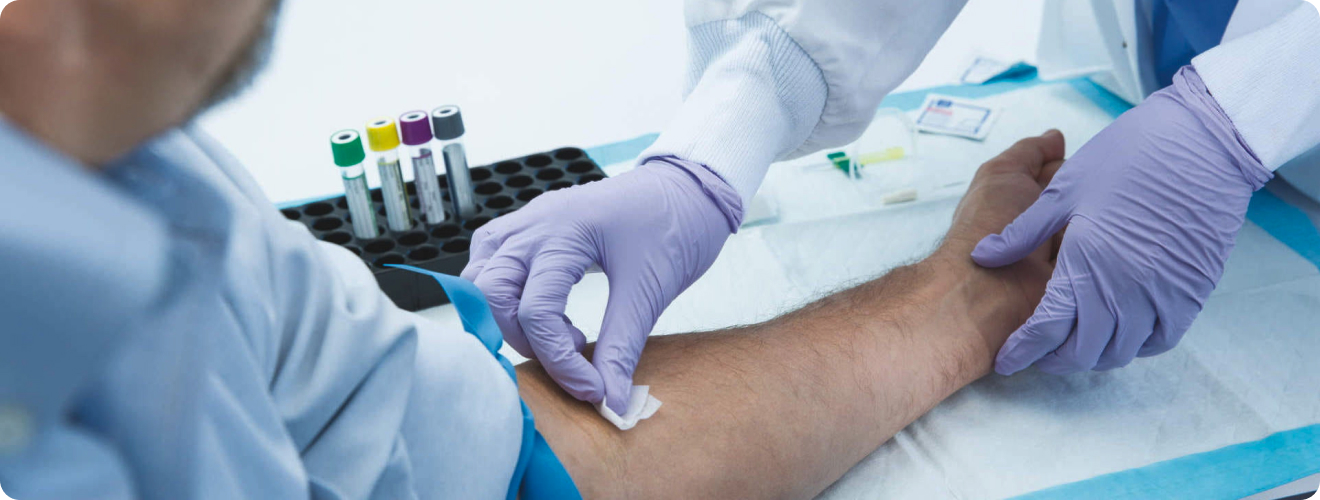
Tuberculosis is a curable disease, but successful treatment requires strict adherence to a prescribed medication regimen. Standard treatment involves a combination of antibiotics taken over a minimum period of six months. These medications work together to eliminate the bacteria and prevent the development of resistance.
One of the main challenges in TB treatment is the duration. Patients may begin to feel better within a few weeks, but stopping treatment prematurely can allow the bacteria to survive and become resistant. This is why Malaysia has implemented directly observed therapy (DOT), a system in which healthcare providers supervise patients to ensure medications are taken consistently.
Side effects from medication can occur, including nausea or liver-related issues, but these are usually manageable with proper medical supervision. Continuous follow-up is important to monitor progress and address any complications.
Drug-resistant tuberculosis has become an increasing concern in Malaysia and globally. This condition arises when TB bacteria no longer respond to standard medications, often due to incomplete or inconsistent treatment.
Multidrug-resistant TB (MDR-TB) and extensively drug-resistant TB (XDR-TB) require longer treatment durations, often involving second-line drugs that may be less effective and more expensive. Patients with drug-resistant TB also require closer monitoring and specialised care.
Preventing drug resistance is largely dependent on ensuring that patients complete their full course of treatment and receive proper medical guidance throughout the process.
For travellers visiting or staying in Malaysia, the overall risk of contracting TB is relatively low, particularly for short-term visits. However, individuals planning extended stays or working in high-risk environments should take additional precautions.
TB transmission is more likely in enclosed, poorly ventilated spaces where people spend long periods together. Travellers who develop symptoms such as a persistent cough, fever, or unexplained fatigue during or after their trip should seek medical evaluation promptly.
For expatriates or long-term visitors, periodic health screening may be advisable, especially if they work in healthcare or community settings. Awareness and early detection remain the most effective strategies for minimising risk.
Preventing tuberculosis requires a combination of individual awareness and public health measures. In Malaysia, the Bacillus Calmette-Guérin (BCG) vaccine is administered to newborns as part of the national immunisation programme. While it does not fully prevent TB infection, it provides important protection against severe forms of the disease in children.
Good ventilation is one of the simplest yet most effective ways to reduce the risk of TB transmission. Ensuring that indoor spaces are well-ventilated helps disperse airborne bacteria, lowering the chance of inhalation. Personal hygiene practices, such as covering the mouth when coughing and wearing masks in high-risk environments, also play an important role.
Regular health screening is particularly important for individuals at higher risk. Detecting TB early not only improves treatment outcomes but also helps prevent the spread of infection within the community.
A diagnosis of tuberculosis can be overwhelming, but with proper treatment and support, recovery is entirely possible. Patients are encouraged to follow their treatment plan closely and maintain regular communication with their healthcare provider.
Nutrition plays a key role in recovery. A balanced diet helps strengthen the immune system and supports the body’s ability to fight infection. Patients are also advised to avoid smoking and alcohol, as these can interfere with treatment and worsen lung health.
Equally important is addressing the stigma associated with TB. Misconceptions about the disease can discourage individuals from seeking help, leading to delayed diagnosis and treatment. Public education and open communication are essential in changing perceptions and improving outcomes.
Tuberculosis continues to pose a health challenge in Malaysia in 2026, but it is both preventable and treatable with the right knowledge and approach. Early recognition of symptoms, timely medical consultation, and strict adherence to treatment are the cornerstones of effective TB control.
As awareness increases and healthcare systems continue to improve, Malaysia moves closer to reducing the burden of tuberculosis. Individuals also play a vital role by staying informed, practising preventive measures, and supporting those undergoing treatment.
If you are experiencing symptoms of tuberculosis or are concerned about your risk, consulting a qualified respiratory specialist is essential for accurate diagnosis and effective management.
Dr Zal Ab Rahim is a Consultant Physician in Internal Medicine and Respiratory Medicine with extensive experience in treating respiratory conditions, including tuberculosis. She has served at Sri Kota Specialist Medical Centre and Pantai Hospital Ampang in Kuala Lumpur and has been practising at Avisena Specialist Hospital since 2011.
Her expertise includes diagnosing complex lung diseases, managing chronic respiratory conditions, and guiding patients through long-term treatment plans such as those required for TB.
Dr Zal holds a Bachelor of Medicine from the Royal College of Surgeons, Ireland (1994) and a Master in Internal Medicine from Universiti Malaya (2002).

For more information or to schedule an appointment, kindly visit specialist profile: Dr Zal Ab. Rahim | Consultant Physician & Respiratory Physician
Tuberculosis is contagious and spreads through airborne droplets when an infected person coughs or sneezes, particularly in enclosed spaces.
It is important to seek medical attention if symptoms such as a persistent cough lasting more than a few weeks, unexplained weight loss, prolonged fever, or night sweats occur. Early consultation allows for timely diagnosis and reduces the risk of complications or transmission to others.
With proper treatment and adherence to medication, tuberculosis can be completely cured in most cases.
Standard treatment usually lasts at least six months, though drug-resistant cases may require longer therapy.
TB remains a significant health concern in Malaysia, with consistent reporting of new cases each year.
Short-term travellers typically do not need screening, but long-term visitors or those in high-risk environments may benefit from it.
Source:
 Call Us
Spread the love, follow us on our social media channels