

Emergency Hotline
+(603) 5515 1999

Appointments
+(603) 5515 1966
General Line
+(603) 5515 1888

 October 13, 2025

Postural Orthostatic Tachycardia Syndrome, commonly known as POTS, is a medical condition that affects many people but remains largely misunderstood. With growing awareness, more individuals and families are seeking information and support. POTS can significantly impact daily life, making it essential to recognise its symptoms, understand the diagnosis, and explore effective management strategies.
POTS is a disorder of the autonomic nervous system, which controls functions in the body that happen automatically, such as heart rate and blood pressure. In people with POTS, the body has trouble regulating these functions, especially when moving from lying down to standing up. The main feature of POTS is a significant increase in heart rate – usually at least 30 beats per minute – within ten minutes of standing, without a drop in blood pressure that would explain the symptoms.
POTS affects people of all ages, but it is most common in women between the ages of 15 and 50. However, both men and women, as well as children, can develop this condition. The underlying mechanisms are not completely understood, but factors such as genetics, viral illnesses, or other medical conditions may play a role. POTS is not caused by anxiety or psychological issues, although it can affect mental health due to its impact on daily life.
The exact causes of Postural Orthostatic Tachycardia Syndrome (POTS) are not fully understood, but research suggests that it can result from a combination of factors affecting the autonomic nervous system. In many cases, POTS may develop after a viral illness, injury, surgery, or periods of prolonged bed rest, which can disrupt normal nerve function. Some individuals may have a genetic predisposition that makes them more susceptible to developing the condition.
Other contributing factors include autoimmune conditions, where the body’s immune system mistakenly attacks its own nerves, or blood volume abnormalities that lead to inadequate circulation when standing. Hormonal changes, especially in adolescent girls and young women, may also play a role. In certain instances, underlying medical conditions such as diabetes, Ehlers-Danlos syndrome, or small fibre neuropathy can increase the risk of developing POTS. Despite these links, the precise mechanism remains complex and may vary from person to person.
The symptoms of POTS can vary widely from person to person and may range from mild to disabling. The most common symptom is a rapid heartbeat, or palpitations, when standing up. Other symptoms include light-headedness, dizziness, and feeling faint or actually fainting (syncope). People may also experience fatigue, brain fog (difficulty thinking clearly), and headaches.
Some individuals report nausea, shakiness, excessive sweating, or chest discomfort. Less common symptoms include blurred vision, shortness of breath, and trouble sleeping. These symptoms often worsen with prolonged standing, heat, or after meals. Since POTS symptoms can be similar to those of other conditions, it is important to seek medical evaluation for a proper diagnosis.
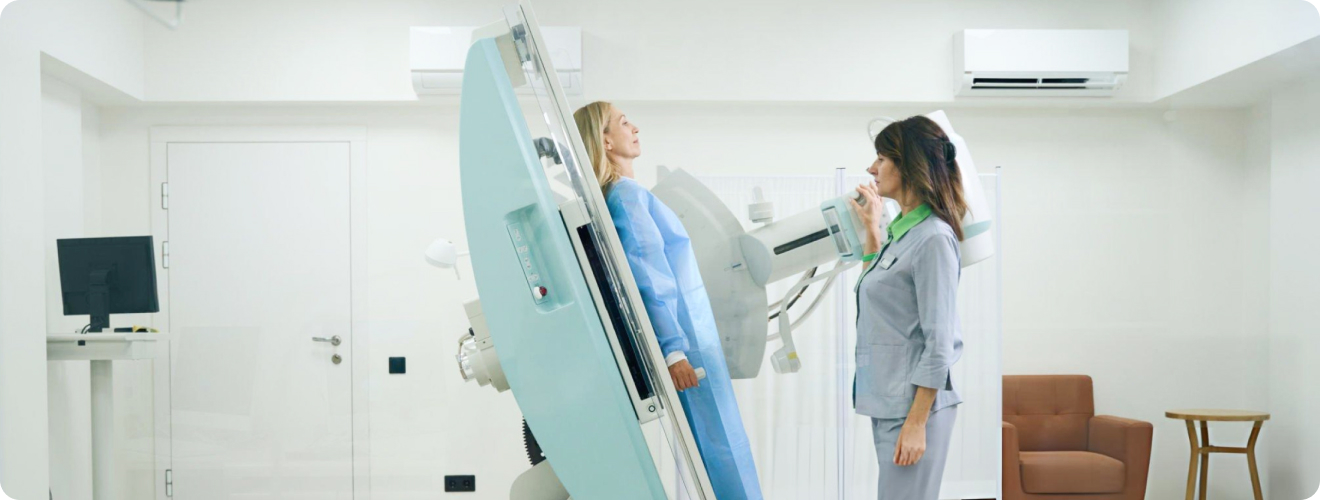
Diagnosing POTS involves a detailed medical history and physical examination. The key diagnostic criterion is an increase in heart rate of at least 30 beats per minute (or over 120 beats per minute in total) within ten minutes of standing, without a significant drop in blood pressure. For children and teenagers, an increase of 40 beats per minute is considered significant.
Doctors may perform a “tilt table test”, where the patient lies on a table that tilts upward while heart rate and blood pressure are monitored. This test helps confirm the diagnosis by reproducing the symptoms in a controlled setting. Blood tests and other investigations may be done to rule out other causes, such as dehydration, anaemia, or thyroid problems. Sometimes, additional tests like ECG (electrocardiogram) or echocardiogram are used to check the heart’s structure and rhythm.
It is important to differentiate POTS from other conditions that can cause similar symptoms, such as vasovagal syncope, orthostatic hypotension, or anxiety disorders. A careful evaluation by a healthcare professional is essential for an accurate diagnosis.
While there is no cure for POTS, a combination of lifestyle changes, physical therapy, and medications can help manage symptoms and improve quality of life. Individualised treatment plans and ongoing support are key to helping patients cope with the condition effectively.
Simple lifestyle modifications can make a big difference for many people with POTS. Increasing fluid and salt intake can help maintain blood volume and prevent dehydration. Wearing compression stockings supports blood flow and reduces pooling of blood in the legs. Patients are encouraged to avoid standing for long periods, especially in hot environments, and to rise from lying or sitting positions slowly.
Regular, gentle exercise is beneficial. Activities like walking, swimming, or recumbent cycling can help improve circulation and reduce symptoms over time. It is important to start slowly and gradually increase activity, as overexertion can worsen symptoms.
Physical therapy focuses on improving cardiovascular fitness and muscle strength. Special exercise programmes designed for people with POTS can help retrain the body’s response to standing. These programmes often begin with exercises done while lying down or sitting and progress to upright activities as tolerance improves.
When lifestyle changes are not enough, doctors may prescribe medications to help manage POTS symptoms. Common medications include beta-blockers to control heart rate, fludrocortisone to help retain salt and water, and midodrine to raise blood pressure. Other drugs, such as pyridostigmine or ivabradine, may be used in certain cases. Medication plans are individualised, and patients may need to try different options to find what works best for them.
It is essential to take medications as prescribed and report any side effects to the healthcare provider. Regular follow-up is important to monitor progress and adjust treatment as needed.
Living with POTS can be challenging, not only physically but also emotionally. Support from family, friends, and patient groups can make a significant difference. Education about the condition helps patients and caregivers understand what to expect and how to manage symptoms effectively. Psychological support, including counselling or therapy, may benefit those who struggle with anxiety or depression related to chronic illness.
Coping with POTS requires patience, flexibility, and a positive outlook. Many people find that symptoms improve over time, especially with proper management. It is helpful to maintain a symptom diary to track triggers and patterns, which can assist in personalising treatment strategies.
Connecting with others who have POTS, either in person or through online support groups, provides a sense of community and shared experience. Resources such as educational materials, advocacy organisations, and healthcare professionals knowledgeable about POTS are valuable for ongoing support.
While POTS can be a long-term condition, many individuals are able to lead fulfilling lives with appropriate care. Some people experience periods of remission, while others may have persistent symptoms that require ongoing management. The prognosis varies from person to person, but with increased awareness and advances in treatment, outcomes are improving.
Postural Orthostatic Tachycardia Syndrome is a complex but manageable condition. Early recognition of symptoms, accurate diagnosis, and a comprehensive approach to management are key to improving the lives of those affected. If you or someone you know experiences symptoms of POTS, it is important to seek medical advice. With the right support and strategies, people with POTS can achieve better health and well-being.
 Call Us
Spread the love, follow us on our social media channels