Avisena Specialist Hospital Logo
Emergency Hotline +(603) 5515 1999
Appointments +(603) 5515 1966
General Line +(603) 5515 1888
Highlights / Articles

Articles

November 27, 2025

Understanding Hypothyroidism – Causes, Symptoms and Effective Management

Hypothyroidism is a common health condition that often goes undiagnosed due to its subtle symptoms, yet it can have a profound impact on daily life and overall well-being. Understanding hypothyroidism is essential for timely recognition, effective treatment, and a better quality of life. This article aims to provide a clear and accessible overview of hypothyroidism, covering its causes, symptoms, diagnosis, treatment options and practical tips for living well with the condition.


What is Hypothyroidism?

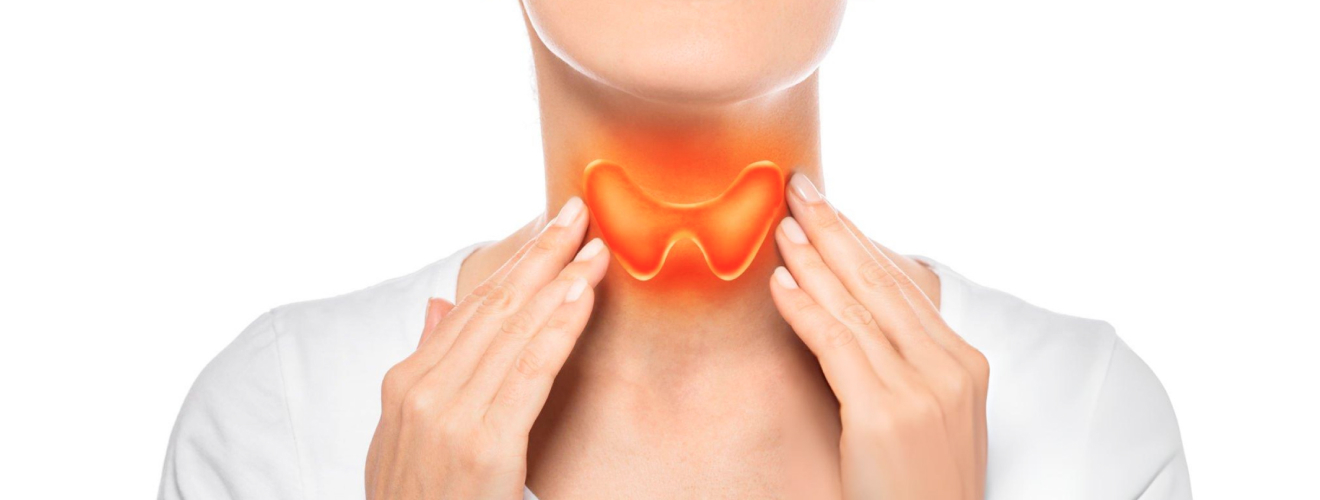
Hypothyroidism, also known as an underactive thyroid, occurs when the thyroid gland does not produce enough thyroid hormones. The thyroid gland is a small, butterfly-shaped organ located at the front of the neck. Its primary function is to release hormones – mainly thyroxine (T4) and triiodothyronine (T3) – that regulate the body’s metabolism, energy levels, heart rate, and various other bodily functions.

When the thyroid does not produce sufficient hormones, the body’s metabolism slows down. This can lead to a wide range of symptoms and health issues if left untreated. Hypothyroidism is more common in women, particularly those over the age of 35, but it can affect men, women, and children of all ages. In Malaysia, hypothyroidism affects about 2 – 10% of the population.


Causes of Hypothyroidism

There are several reasons why the thyroid gland may not function properly. Understanding the underlying causes can help with prevention and early detection.
  • Autoimmune Disease (Hashimoto’s Thyroiditis): The most common cause of hypothyroidism is an autoimmune disorder called Hashimoto’s thyroiditis. In this condition, the body’s immune system mistakenly attacks the thyroid gland, damaging its ability to produce hormones.
  • Iodine Deficiency: Iodine is a crucial mineral required to produce thyroid hormones. When the diet lacks sufficient iodine, hypothyroidism can develop.
  • Medications: Certain medications, such as lithium (used for psychiatric conditions) and some anti-thyroid drugs, can interfere with thyroid hormone production.
  • Thyroid Surgery or Radiation Therapy: Surgical removal of the thyroid gland or radiation treatment for cancers of the head and neck can lead to hypothyroidism.
  • Congenital Hypothyroidism: Some babies are born with an underactive thyroid gland, a condition known as congenital hypothyroidism. Early screening is vital for prompt treatment.
  • Pituitary Gland Disorders: Although not common, problems with the pituitary gland (which controls the thyroid) can result in hypothyroidism.

Symptoms of Hypothyroidism

The symptoms of hypothyroidism can be vague and develop gradually, making them easy to overlook. They may vary from person to person, but some common signs include:

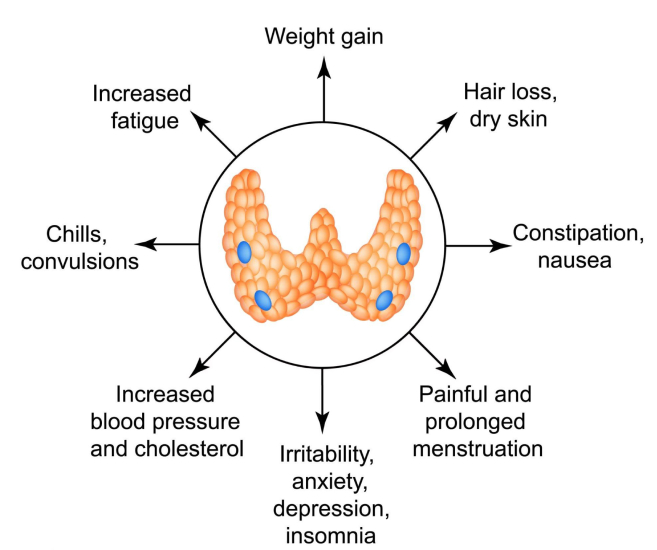
  • Physical Symptoms: Fatigue, unexplained weight gain, dry skin, hair loss, constipation, muscle weakness, increased sensitivity to cold, and a puffy face.
  • Mental and Emotional Symptoms: Memory problems, difficulty concentrating, depression, and mood swings.
  • Other Symptoms: Slow heart rate, hoarse voice, elevated cholesterol levels, heavy or irregular menstrual periods in women, and joint pain.

In children and teenagers, hypothyroidism can also cause delayed growth and development, as well as poor performance in school. Because these symptoms can mimic other conditions, it is important to consult a healthcare professional if you suspect a thyroid problem.


Diagnosis of Hypothyroidism

Diagnosing hypothyroidism involves a combination of medical history, physical examination, and laboratory tests. If you present with symptoms suggestive of hypothyroidism, your doctor will likely recommend a blood test to check your levels of thyroid-stimulating hormone (TSH) and thyroid hormones (T3 and T4).

  • TSH Test: This is usually the first and most sensitive test. High levels of TSH indicate that the thyroid gland is not producing enough hormones, prompting the pituitary gland to release more TSH.
  • Thyroid Hormone Tests: Low levels of T4 (thyroxine) confirm the diagnosis of hypothyroidism.
  • Additional Tests: In some cases, tests for thyroid antibodies may be done to identify autoimmune thyroid disease. Imaging tests like an ultrasound, CT scan or a thyroid uptake scan may also be required.

A thorough evaluation by your doctor is essential, as other health conditions can present with similar symptoms.


Effective Management of Hypothyroidism

The good news is that hypothyroidism is a manageable condition. With the right treatment and lifestyle adjustments, most people can lead healthy, active lives.

Medical Treatment

The primary treatment for hypothyroidism is hormone replacement therapy. This involves taking a daily tablet of synthetic thyroxine (levothyroxine), which restores normal hormone levels and alleviates symptoms. The dosage is tailored to each individual based on age, weight, severity of hypothyroidism, and response to treatment.

  • Regular Monitoring: It is important to have regular blood tests to monitor thyroid hormone levels and adjust the dosage as needed. Your doctor will guide you on the frequency of testing.
  • Medication Adherence: Take your medication as prescribed, ideally at the same time each day, and avoid skipping doses. Inform your doctor if you experience any side effects or new symptoms.

Lifestyle Changes

In addition to medication, certain lifestyle changes can help manage hypothyroidism more effectively:

  • Balanced Diet: Eat a healthy diet rich in fruits, vegetables, whole grains, and lean proteins. Ensure adequate intake of iodine (through iodised salt) and selenium, but avoid excessive amounts, as they can be harmful.
  • Regular Physical Activity: Engage in moderate exercise, such as walking, yoga, or cycling, to boost energy levels and improve mood.
  • Stress Management: Practice relaxation techniques like meditation, deep breathing, or mindfulness to reduce stress, which can impact thyroid health.
  • Sleep Hygiene: Aim for 7-8 hours of quality sleep each night to support overall health and well-being.

Ongoing Monitoring

Hypothyroidism is a lifelong condition that requires ongoing care. Regular follow-ups with your doctor, routine blood tests, and open communication about any symptoms or concerns are key to effective management.


Living with Hypothyroidism

Living with hypothyroidism might feel overwhelming at first, but with the right support and information, it is entirely manageable. Here are some practical tips:
  • Stay Informed: Learn about your condition and treatment options. Reliable sources include your doctor, patient support groups, and reputable health websites.
  • Build a Support Network: Share your journey with family, friends, or support groups. Connecting with others facing similar challenges can provide encouragement and practical advice.
  • Monitor Your Health: Keep a diary of symptoms, medication intake, and any changes in health to discuss during medical visits.
  • Set Reminders: Use alarms or mobile apps to help remember medication times and appointments.
  • Communicate with Your Doctor: Report any new or persistent symptoms promptly. Do not adjust medication without professional advice.

Conclusion

Awareness and understanding of hypothyroidism are crucial for early detection and effective management. By recognising the symptoms, seeking prompt medical advice, and adhering to treatment plans, individuals with hypothyroidism can lead fulfilling and active lives.

If you or someone you know is experiencing symptoms suggestive of thyroid problems, do not hesitate to consult a healthcare professional. Early intervention can make a significant difference, ensuring better health outcomes and peace of mind.


Back to Articles