

Emergency Hotline
+(603) 5515 1999

Appointments
+(603) 5515 1966
General Line
+(603) 5515 1888

 March 24, 2026
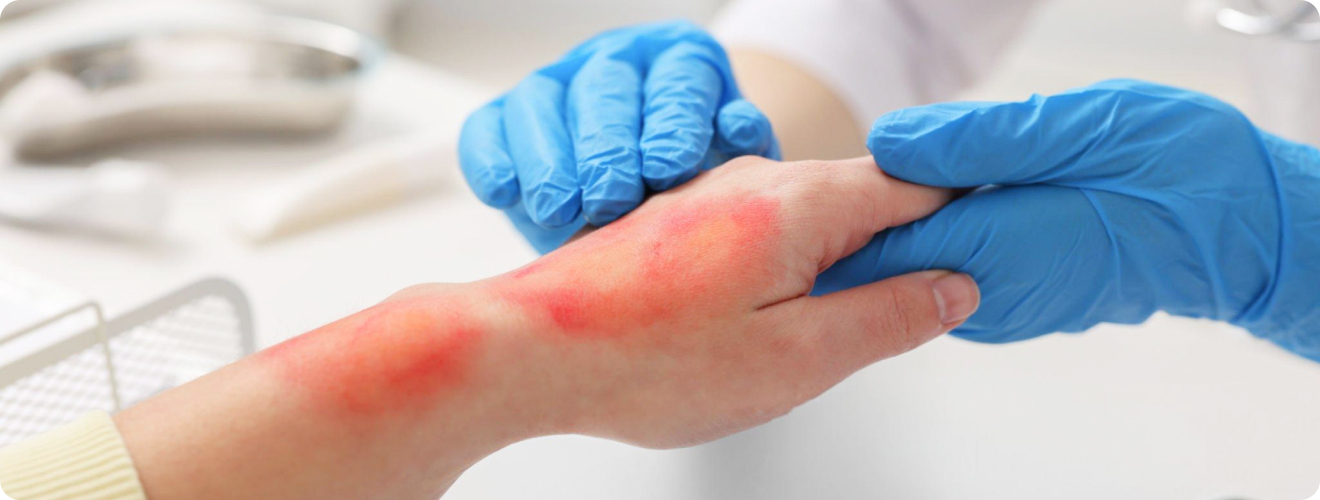
Burn injuries are among the most common household accidents, especially during festive seasons when families spend more time cooking, decorating, and hosting gatherings. In Malaysia, the period of Ramadan and Hari Raya Aidilfitri often involves busy kitchens, open flames, hot oil, boiling liquids, and even fireworks; all of which can increase the risk of burns and scalds.
While many burn injuries are preventable, accidents can still happen. Knowing how burns occur, how to respond quickly, and where to seek expert care can make a significant difference in recovery.
This guide explores why burn injuries increase during Ramadan and Raya, how to prevent them, what first aid steps to take, and how specialised treatment can help ensure optimal healing.
Ramadan and Raya celebrations revolve around family meals and festive activities. However, these traditions can also introduce potential hazards in the home.
During Ramadan, cooking for iftar and sahur often involves high heat cooking methods such as deep frying, grilling, and boiling. In the rush of preparing large meals, hot oil spills or contact with heated cookware can easily cause burns.
During Hari Raya Aidilfitri, additional factors can increase risks, including:
Burn injuries commonly occur when the skin comes into contact with hot surfaces, flames, chemicals, or electricity. Scalds, on the other hand, result from exposure to hot liquids or steam. Both types of injuries can range from minor skin irritation to severe tissue damage requiring specialised medical care. Burns are typically caused by dry heat sources such as fire or hot objects, while scalds occur from wet heat like boiling water or steam.

Learn how to respond quickly and safely. Check out this quick guide for step-by-step first aid tips and important safety advice: First Aid Tips.
Burns are generally classified by their severity and depth of skin damage.
First-degree burns affect only the outer layer of skin. They often cause redness, mild swelling, and pain. These burns typically heal within a few days with proper care.
Second-degree burns penetrate deeper into the skin layers and often cause blistering, intense pain, and swelling. These injuries may require medical attention to prevent infection and scarring.
Third-degree burns are severe injuries that destroy multiple layers of skin and may even affect underlying tissues. The skin may appear white, charred, or leathery, and sensation may be reduced due to nerve damage. These burns require immediate hospital treatment and often involve surgical procedures such as skin grafting.
In many Malaysian households, festive cooking can involve multiple pots, hot oil, and open flames simultaneously. When kitchens become crowded, the risk of accidental burns increases.
Hot oil splashes while frying dishes like fried chicken can cause painful burns on the arms and hands. Boiling soups, kettles, and steaming pots can lead to scald injuries if spilled or mishandled. Children in the kitchen may accidentally touch hot surfaces or pull down hot containers.
Simple precautions such as keeping handles turned inward, wearing protective gloves, and supervising children can significantly reduce these risks.
While thermal burns caused by heat are more common, chemical burns are often among the most dangerous and complex burn injuries to manage. These injuries can trigger an immediate reaction while continuing to damage the skin and underlying tissues long after the initial exposure. This occurs because certain chemical substances remain active on the skin, allowing the reaction to continue if the chemical is not fully removed or neutralised.
Chemical burns can result from exposure to everyday substances such as household cleaning agents, drain cleaners, disinfectants, and certain industrial chemicals. Because these corrosive substances can penetrate deeper layers of tissue, early medical evaluation is crucial. In some cases, treatment may involve specialised wound care, advanced burn management, or reconstructive surgery to restore both function and appearance.
To better understand why these injuries, require urgent and specialised care, you can learn more about the causes, risks, and treatment approaches in this detailed guide: Chemical Burns Article.
When a burn injury occurs, acting quickly can reduce tissue damage and support better healing.
First, remove the person from the heat source and ensure the area is safe. Cool the burn under cool running water for 10-20 minutes to ease pain, reduce swelling, and help prevent the injury from worsening. Carefully remove tight clothing or jewellery near the burn-unless it is stuck to the skin. Then cover the area with a clean, non-adhesive dressing or cling film to protect it from infection.
Avoid applying ice, butter, toothpaste, or oily creams, as these can worsen the damage or increase infection risk.
For a quick, reliable step-by-step guide, read the full article: First Aid for Burns & Scalds.
While minor burns can often be treated at home, some injuries require professional medical care. You should visit a hospital if:
Burns involving smoke inhalation, chemicals, or electrical sources also require immediate medical assessment.
Modern burn treatment has advanced significantly in recent years, combining regenerative medicine with surgical reconstruction to optimise healing. At Avisena Specialist Hospital, patients benefit from a multidisciplinary approach that brings together surgeons, emergency physicians, physiotherapists, and wound care specialists. This integrated model helps address not only the physical recovery from burns but also the psychological aspects of healing.
Innovations in burn care now include regenerative therapies such as stem-cell treatments and specialised healing serums. These treatments may help certain burns heal without surgery while reducing scarring and recovery time, reflecting the rapid progress in modern wound management. For deeper insights into these advancements and how they are applied clinically, readers can learn more through the hospital’s feature on new advances in burn care: Read the article HERE.
For severe injuries, surgical procedures such as skin grafting remain essential. Surgeons may use advanced techniques, including harvesting skin from areas like the scalp, which tends to heal quickly and leaves minimal visible scarring. The expertise behind these specialised procedures has also been recognised internationally, with Avisena Specialist Hospital receiving the Burn Care & Reconstructive Surgery Service Provider of the Year award.
Discover more about this achievement and the hospital’s leadership in burn care here: Read the article HERE.
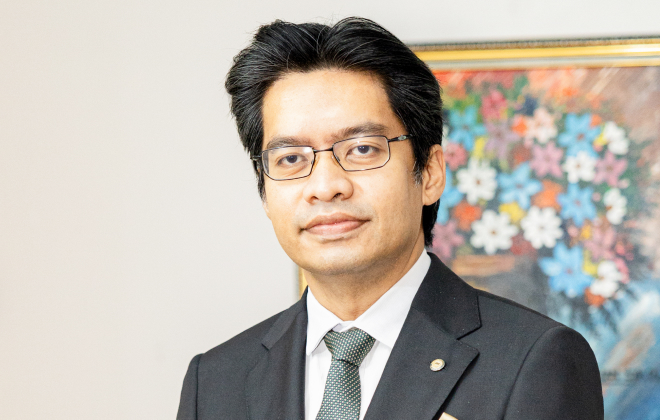
Burn injuries often require specialised surgical care, particularly when reconstruction is necessary to restore both function and appearance.
Dr Wan Syazli Rodzaian Wan Ahmad Kamal, Consultant Plastic and Reconstructive Surgeon at Avisena Specialist Hospital, brings extensive expertise in burn management, microsurgery, and advanced tissue reconstruction. His experience includes treating complex burn cases such as chemical injuries and severe trauma, where timely intervention and precise surgical techniques are critical for recovery.
Patients at the hospital benefit from a coordinated, multidisciplinary approach to care that includes wound management, reconstructive procedures, physiotherapy, and comprehensive scar treatment to support both physical healing and long-term quality of life.
In recognition of its excellence, Avisena Specialist Hospital received the GlobalHealth Awards 2025 Burn Care & Reconstructive Surgery Service Provider of the Year, highlighting the hospital’s commitment to delivering high-quality burn care and reconstructive surgery services in Malaysia.
To learn more about Dr Wan Syazli’s expertise or to schedule an appointment:Visit Specialist Profile.
While expert treatment is available, prevention remains the best strategy. Taking simple precautions during festive preparations can significantly reduce the risk of burn injuries. Ensure cooking areas are well organised and avoid overcrowding the kitchen. Use protective gloves when handling hot cookware, and keep children away from stoves and hot liquids.
When serving food during gatherings, place hot dishes away from table edges and ensure drinks are not easily accessible to young children. Additionally, use caution when handling cleaning chemicals during pre and post-celebration cleaning. Awareness and careful preparation can make festive celebrations safer for everyone.
Burn injuries can be painful, traumatic, and life changing. However, with prompt first aid and specialised medical treatment, many patients can achieve excellent recovery outcomes.
At Avisena Specialist Hospital, patients receive comprehensive burn care; from emergency treatment to reconstructive surgery and long-term scar management. Under the leadership of Dr Wan Syazli Rodzaian Wan Ahmad Kamal, the hospital continues to advance burn treatment in Malaysia with innovative therapies and expert surgical care.
If you or a loved one experiences a burn injury during Ramadan or Hari Raya, seeking timely medical attention can make all the difference in healing and recovery.
Source:
 Call Us
Spread the love, follow us on our social media channels