

Emergency Hotline
+(603) 5515 1999

Appointments
+(603) 5515 1966
General Line
+(603) 5515 1888

 November 26, 2025
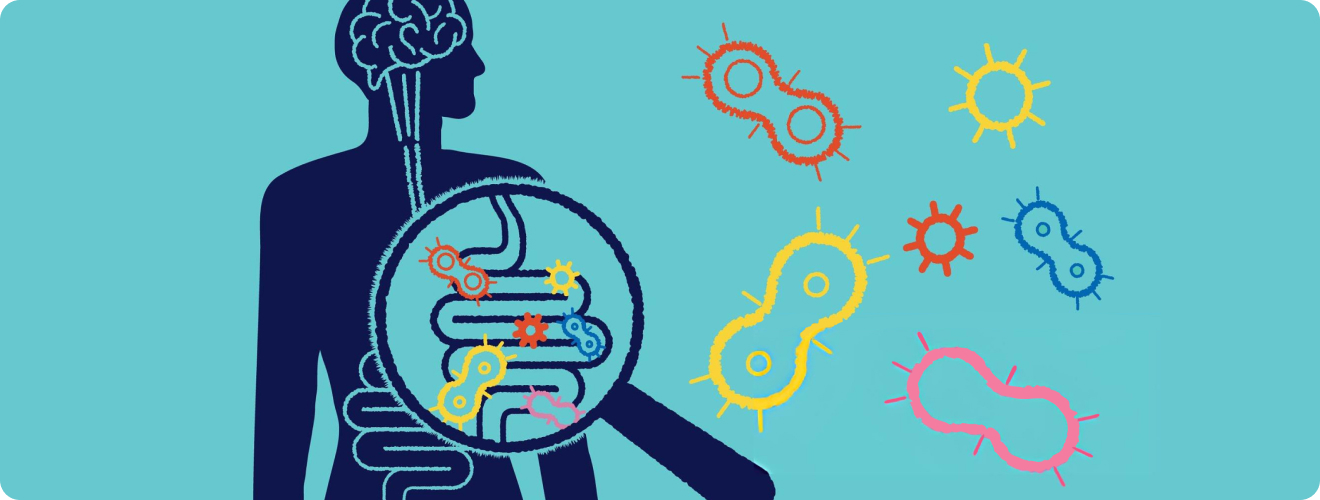
The concept of the gut-brain connection has become a focal point in modern health discussions, captivating both scientists and the general public. At its core, this connection refers to the complex interplay between our digestive system and our mental wellbeing, suggesting that what happens in our gut can significantly influence how we feel, think, and behave. In recent years, researchers have uncovered compelling evidence that a healthy digestive system may be crucial for optimal mental health. In Malaysia, where diverse cultural dietary practices and unique health trends shape daily life, understanding this connection is especially relevant. This article aims to demystify the science behind the gut-brain axis, explain how our gut microbiome shapes our mood and cognition, and provide practical strategies to nurture both gut and mind.
The gut-brain axis is a term used to describe the bidirectional communication network linking the gastrointestinal (GI) tract and the central nervous system (CNS). This connection operates through several biological pathways, including nervous, hormonal, and immune mechanisms, each playing a unique role in maintaining balance between digestive health and mental wellbeing. Recent scientific advances have shown that the gut and the brain are in constant dialogue, exchanging signals that can influence everything from our emotional state to our cognitive performance. This means that disturbances in digestive health can send signals to the brain that may trigger mood changes, while psychological stress can, in turn, impact gut function, leading to symptoms like indigestion or changes in bowel habits.
This intricate relationship has led researchers to refer to the gut as the “second brain”, highlighting its essential role in mental and emotional processes. The gut contains its own complex nervous system – the enteric nervous system (ENS) – which is composed of millions of nerve cells embedded in the walls of the digestive tract. The ENS functions independently but also communicates with the central nervous system, reinforcing the concept that gut health is central to overall wellbeing.
The vagus nerve, one of the longest nerves in the body, acts as a direct communication channel between the gut and the brain. It transmits signals from the gut lining to the brain, influencing mood, stress, and even memory. For example, gut discomfort can activate the vagus nerve and signal the brain to produce feelings of unease or anxiety, while positive gut health can promote a sense of calm and emotional stability. Additionally, the enteric nervous system houses extensive neural circuits that modulate digestion, peristalsis, and even certain reflexes without direct input from the brain, underscoring the autonomy and sophistication of this system.
The gut produces hormones such as serotonin (often dubbed the ‘happy hormone’), dopamine, and cortisol. These hormones regulate mood, sleep, and stress responses, and a significant proportion of serotonin is manufactured in the gut. In fact, nearly 90% of the body’s serotonin is produced in the digestive tract, where it influences not only intestinal movements but also emotional balance and pain perception. Disruptions in gut hormone production can thus have profound effects on mental health, contributing to conditions like depression, anxiety, or sleep disorders.
The gut houses a large portion of the body’s immune cells. Inflammatory responses in the gut may trigger the release of cytokines and cause changes in brain function, potentially contributing to anxiety and depression. The gut-associated lymphoid tissue (GALT) acts as a critical frontline defence, constantly monitoring for pathogens and regulating immune responses. Chronic gut inflammation can disrupt the blood-brain barrier, allowing inflammatory mediators to affect brain health. This interaction is thought to play a role in neuroinflammatory and neurodegenerative disorders, highlighting the importance of maintaining a healthy gut environment for long-term mental wellbeing.
Together, these pathways form a sophisticated system that constantly monitors and responds to internal and external stimuli, making the gut-brain axis a vital component of overall health. Understanding and nurturing this connection – through diet, lifestyle, and stress management – can have far-reaching benefits for both digestive and mental health, empowering individuals to take a holistic approach to wellbeing.
The gut microbiome consists of trillions of microorganisms – including bacteria, viruses, and fungi – that reside within the digestive tract. These tiny inhabitants are not mere bystanders; these microbes actively contribute to our health and wellbeing at multiple levels. They participate not only in breaking down food and extracting nutrients but also play key roles in immune system training, metabolic regulation, maintaining the integrity of the gut lining and neurotransmitter production. The composition of the microbiome can influence brain chemistry and, consequently, mental health.
Some key functions of the gut microbiome include:
An imbalance in the gut microbiome – known as dysbiosis – has been linked to various mental health conditions, including depression, anxiety, and even neurodegenerative diseases. Dysbiosis can compromise gut barrier function, increase inflammation, and disrupt neurotransmitter production, all of which may contribute to psychological symptoms. Maintaining a healthy balance of gut bacteria is therefore essential for mental wellbeing.
Digestive health extends beyond the absence of discomfort – it encompasses the optimal functioning of the gastrointestinal system and the balance of its microbiome. When the gut is healthy, it supports efficient nutrient absorption, immune function, and hormone production. These processes collectively influence mental wellbeing.
Over the past decade, numerous studies have explored the relationship between gut health and mental wellbeing. Researchers have found that individuals with mental health issues often exhibit altered gut microbiota compared to those without such conditions. While the field is still evolving, the evidence strongly supports the notion that digestive health is intricately linked to mental wellbeing.
Studies have shown that people with depression tend to have reduced diversity in their gut bacteria. Some clinical trials have demonstrated that probiotics – beneficial bacteria – can improve mood and reduce symptoms of depression.
Animal and human studies suggest that changes in gut bacteria can affect anxiety levels. For instance, mice raised in sterile environments (without gut bacteria) exhibit increased anxiety behaviours, which can be alleviated by introducing specific bacteria.
Chronic stress can alter the composition of the microbiome, increase inflammation and impact mental health. Conversely, a healthy gut may help buffer against the negative effects of stress.

Digestive disorders such as Irritable Bowel Syndrome (IBS) and leaky gut are not only physically uncomfortable but also carry psychological consequences. Let us examine how these conditions affect mental health:
Addressing digestive issues may therefore be a crucial step in improving mental health outcomes.
Our daily choices – what we eat, how we manage stress, and the habits we cultivate – significantly impact the gut-brain axis and the balance and diversity of the microbiome. Nutrition, in particular, plays a pivotal role in supporting both gut and mental health.
Making mindful choices in these areas can strengthen the gut-brain connection and enhance overall wellbeing.
Supporting your gut-brain axis does not require drastic changes. Instead, simple, practical strategies can make a meaningful difference. Here are some recommendations to optimise your digestive and mental health:
By integrating diverse foods and wellness practices, it is easy to create a practical and accessible strategy that can support both the gut and the mind.
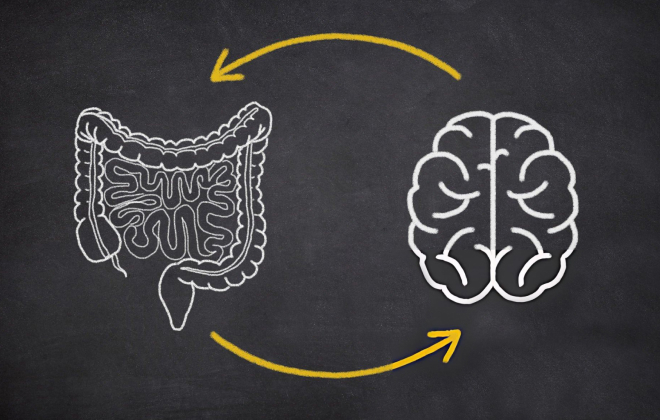
The gut-brain connection is a remarkable testament to the interconnectedness of our bodily systems. As scientific research continues to unveil the intricate mechanisms linking digestive health and mental wellbeing, it becomes clear that nurturing our gut is a powerful way to support our mind.
By understanding the gut-brain axis, appreciating the role of the microbiome, and making informed lifestyle choices, we can proactively enhance both our physical and mental health. Let us embrace this knowledge and make conscious efforts to foster a healthy gut and a resilient mind – because wellbeing truly begins from within.
 Call Us
Spread the love, follow us on our social media channels