

Emergency Hotline
+(603) 5515 1999

Appointments
+(603) 5515 1966
General Line
+(603) 5515 1888

 April 29, 2024

The quest for beauty and self-improvement has led many to explore cosmetic surgery options, with rhinoplasty or nose job standing out as one of the most popular procedures worldwide. Rhinoplasty, commonly referred to as a “nose job,” offers individuals the opportunity to enhance the appearance and function of their nose, thus boosting their confidence and quality of life. However, like any surgical procedure, it’s essential to understand the ins and outs of rhinoplasty before making a decision.
In this comprehensive guide, we delve into the intricacies of rhinoplasty, covering everything from its history and evolution to the surgical process, recovery, and potential risks and benefits.
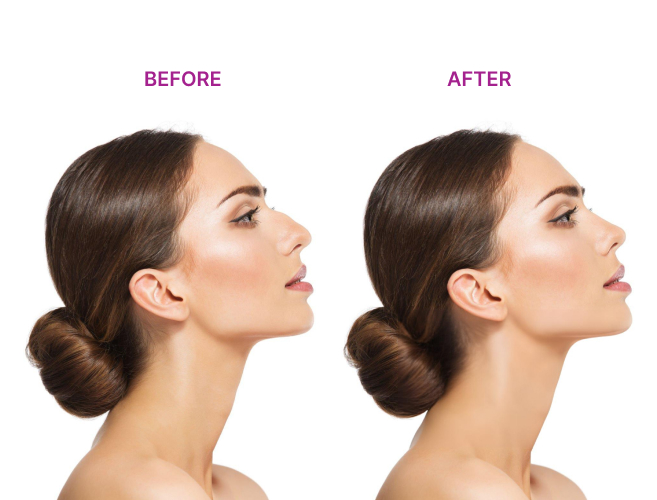
Rhinoplasty is a surgical procedure designed to alter the size, shape, and overall appearance of the nose. It can address a variety of concerns, including:
Before undergoing rhinoplasty, patients undergo a comprehensive consultation with a board-certified plastic surgeon to discuss their goals and expectations. During this consultation, the surgeon evaluates the patient’s nasal anatomy, skin quality, and overall health to determine the most appropriate surgical approach.
Let’s explore some of the commonly performed rhinoplasty:
Cosmetic rhinoplasty focuses on improving the appearance of the nose without addressing functional issues. It aims to enhance facial harmony and balance by reshaping the nasal contours, refining the nasal tip, correcting asymmetry, and addressing nasal humps or bumps.
Functional rhinoplasty is performed to improve nasal function by correcting structural abnormalities that obstruct airflow and cause breathing difficulties. This may involve straightening a deviated septum, reducing enlarged turbinates, or opening up nasal airways to alleviate conditions like nasal congestion or sleep apnea.
Open rhinoplasty involves making an incision across the columella (the strip of tissue between the nostrils), providing the surgeon with better visibility and access to the nasal structures. This approach is often preferred for complex cases or when extensive reshaping is required. It allows for precise manipulation of the nasal framework and tip refinement.
Closed rhinoplasty, also known as endonasal rhinoplasty, involves making all incisions inside the nostrils, leaving no visible external scarring. This technique is suitable for patients requiring less extensive modification and those concerned about external scarring. Closed rhinoplasty typically results in faster recovery times and less postoperative swelling.
Tip rhinoplasty focuses specifically on reshaping and refining the nasal tip. This may involve reducing the roundness of the nose, refining the tip projection, or correcting asymmetry. Tip rhinoplasty can significantly impact the overall appearance of the nose and enhance facial aesthetics.

On the day of the surgery, patients are placed under general anaesthesia to ensure comfort and safety during the procedure. Once the anaesthesia takes effect, the surgeon begins the rhinoplasty by making the necessary incisions based on the predetermined surgical plan.
Using specialised surgical instruments, the surgeon carefully reshapes the nasal bones, cartilage, and soft tissues to achieve the desired outcome. This may involve removing excess tissue, refining the nasal tip, or straightening a deviated septum to improve breathing.
After completing the reshaping process, the surgeon meticulously closes the incisions and applies bandages or splints to support the newly sculpted nose during the initial stages of healing.
Recovery from rhinoplasty varies from patient to patient but typically follows a similar timeline. In the first few days following surgery, patients may experience swelling, bruising, and mild discomfort, which can be managed with prescribed pain medication and cold compresses.
It is important to follow their surgeon’s postoperative instructions carefully, which may include:
While most patients can resume normal activities within a week or two, complete healing and final results may take several months as residual swelling gradually subsides.

Rhinoplasty offers a multitude of benefits, both aesthetic and functional, including:
By addressing these concerns, rhinoplasty can have a transformative effect on both the appearance and quality of life of patients.
Like any surgical procedure, rhinoplasty carries a few inherent risks that patients should be aware of before undergoing treatment. These may include:
Patients must discuss these risks with their surgeon and weigh them against the potential benefits before proceeding with rhinoplasty.

Rhinoplasty is a complex yet rewarding surgical procedure that offers individuals the opportunity to enhance their appearance and address functional concerns related to the nose. By understanding the intricacies of rhinoplasty, patients can make informed decisions about whether it’s the right choice for them.
With the guidance of a skilled and experienced plastic surgeon, rhinoplasty can achieve beautiful, natural-looking results that boost confidence and improve quality of life for years to come.
Sources:
 Call Us
Spread the love, follow us on our social media channels