

Emergency Hotline
+(603) 5515 1999

Appointments
+(603) 5515 1966
General Line
+(603) 5515 1888

 February 10, 2026

Recovering from a complex injury is rarely a straightforward journey. Whether caused by a serious accident, surgery, or a major health event, complex injuries often affect multiple body systems and significantly disrupt daily life. Patients may face physical pain, reduced mobility, emotional stress, and uncertainty about the future.
While medical treatment addresses the immediate injury, true recovery involves rebuilding both physical strength and mental resilience. Rehabilitation is not simply about healing bones or tissues, it is about restoring independence, confidence, and overall well-being.
This article explores how patients can rebuild mental and physical strength after a complex injury, including the key stages of recovery, strategies for rehabilitation, and the importance of holistic support throughout the healing process.
A complex injury typically involves multiple structures in the body or requires long-term rehabilitation. Examples include:
Unlike minor injuries that heal within weeks, complex injuries often require multidisciplinary care, including orthopaedic specialists, physiotherapists, occupational therapists, and mental health professionals.
Several factors make recovery more demanding, understanding these challenges is the first step toward setting realistic recovery goals.
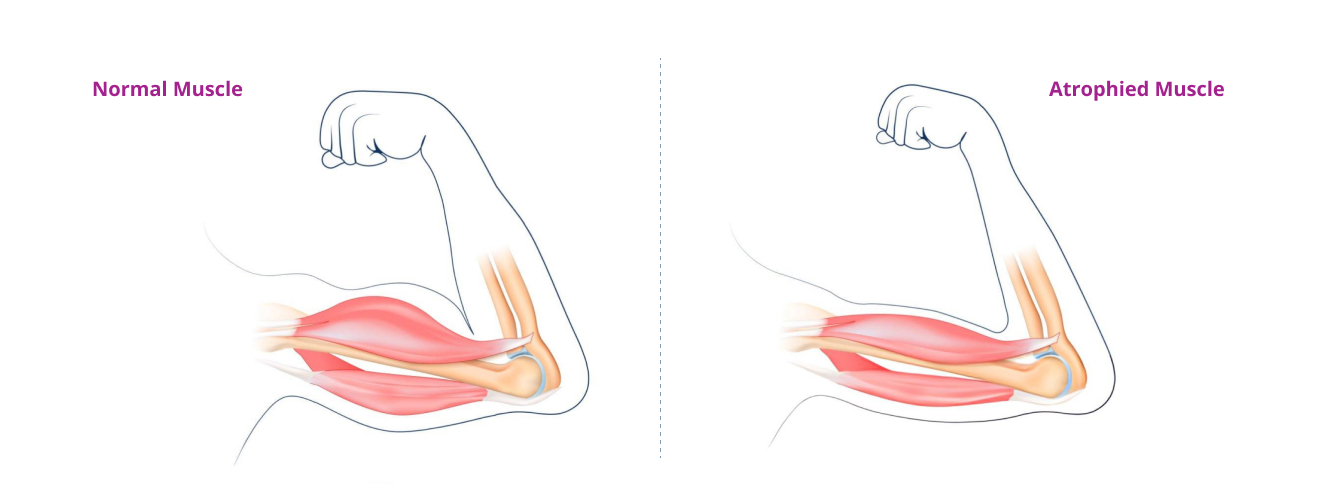
Serious injuries can affect the body in many ways beyond the initial trauma.
When the body is immobilized due to surgery, casts, or prolonged bed rest, muscles begin to weaken. This condition, known as muscle atrophy, can occur within weeks.
Patients may experience:
Rebuilding muscle strength is a key component of rehabilitation.
Joint stiffness commonly occurs when movement is restricted during recovery. Scar tissue formation, swelling, and inflammation can reduce flexibility and range of motion. Without proper rehabilitation, these limitations may become long-term.
Some patients may experience persistent pain or altered sensations during recovery, often due to nerve involvement, inflammation, or damage to surrounding tissues. These symptoms can manifest in various ways, such as nerve-related pain, increased sensitivity to touch, numbness in certain areas, or difficulties with coordination and fine motor control. Such challenges can interfere with daily activities and may slow the overall recovery process if not properly addressed.
Effective pain management strategies, combined with targeted rehabilitation therapies, play a crucial role in helping patients manage these symptoms. With appropriate medical guidance, physiotherapy, and sometimes specialized nerve-related treatments, patients can gradually regain better function, improve mobility, and enhance their overall quality of life.
The mental health aspect of injury recovery is often overlooked, yet it plays a critical role in successful rehabilitation.
Recovery can be slow and unpredictable. Patients may feel frustrated when progress is gradual or when daily activities become difficult. Common emotional responses include:
These reactions are normal but require attention and support.
Many individuals recovering from complex injuries temporarily rely on others for basic tasks such as walking, dressing, or driving. This sudden loss of independence can affect self-esteem and confidence.
Some patients develop a fear of moving or exercising because they worry about worsening the injury. This can slow recovery and lead to prolonged physical weakness. Addressing psychological barriers is therefore essential in rehabilitation.
Rehabilitation is a structured process designed to help patients regain strength, mobility, and independence. A comprehensive rehabilitation plan typically involves several components.
Physiotherapy plays a central role in rebuilding physical capacity. A physiotherapist designs individualized programs that may include range-of-motion exercises, strength training, balance and coordination exercises, and walking or gait training. Early and consistent physiotherapy helps prevent long-term complications such as stiffness and muscle loss.
Occupational therapists help patients relearn or adapt daily activities such as:
They may also recommend assistive devices that make everyday tasks easier during recovery.
Pain can significantly slow the rehabilitation process if it is not properly managed, as discomfort often limits a patient’s ability to move, exercise, and engage fully in recovery activities. For this reason, healthcare providers often use a multidisciplinary approach to pain management that addresses both the physical and psychological aspects of pain. This approach may involve the careful use of medication to control inflammation and discomfort, specialized physical therapy techniques to improve mobility and reduce strain, targeted nerve treatments to address nerve-related pain, and relaxation strategies such as breathing exercises or mindfulness to help reduce tension and stress.
By managing pain effectively through these combined methods, patients are better able to participate actively in rehabilitation exercises, which can promote faster healing, restore function, and improve overall recovery outcomes.
Recovery takes time, and rebuilding strength must be done gradually to avoid setbacks.
Gentle movement is often introduced early in the recovery process to help prevent stiffness, improve circulation, and maintain joint flexibility. During this stage, rehabilitation typically includes carefully guided activities such as passive stretching, assisted movement exercises, and controlled weight-bearing, all performed under the supervision of a healthcare professional or physiotherapist.
These low-intensity movements help keep the muscles and joints active without placing excessive strain on the injured area. By gradually reintroducing safe and controlled motion, the body is better prepared for the next stages of rehabilitation, where more active exercises and strength-building activities can be incorporated.
As healing progresses, patients gradually move to resistance exercises to rebuild muscle strength. The goal is to restore muscle function safely and progressively.
Common rehabilitation exercises include:
After long periods of inactivity, balance can deteriorate. Targeted exercises help retrain the nervous system and prevent falls. Improved coordination helps patients regain confidence in movement.
Examples include:
Physical healing alone is not enough. Emotional resilience plays a powerful role in recovery outcomes.
Recovery after a complex injury often occurs in stages, and setting small, achievable goals can help maintain motivation throughout the process. These goals may include walking short distances without assistance, completing prescribed daily exercises, and gradually returning to work. Recognizing and celebrating these small milestones along the way can significantly boost confidence and morale, encouraging continued progress during recovery.
Techniques that reduce stress and anxiety can improve mental well-being and support physical healing. Stress management also helps regulate sleep and pain perception.
Helpful strategies include:
Seeking emotional support during recovery is important, as talking about challenges and experiences can help patients process their feelings and cope more effectively with the recovery journey. Having someone to share concerns with can reduce feelings of isolation and encourage a more positive outlook. This support may come from family members, support groups, mental health professionals, or rehabilitation specialists, all of whom can play a valuable role in providing guidance, reassurance, and encouragement throughout the healing process.
The body requires adequate nutrition and healthy lifestyle habits to repair tissues and rebuild strength.
A balanced diet ensures the body receives the resources it needs for optimal healing. Certain nutrients are particularly important during recovery:
Sleep is when the body performs much of its repair work. During deep sleep, the body releases hormones that promote tissue growth and recovery. Patients should aim for consistent, restorative sleep to support healing.
Returning to normal activities should be done gradually. Pushing too hard too early may cause setbacks. Patience and consistency are key to sustainable recovery. Healthcare professionals typically recommend a structured progression that includes:
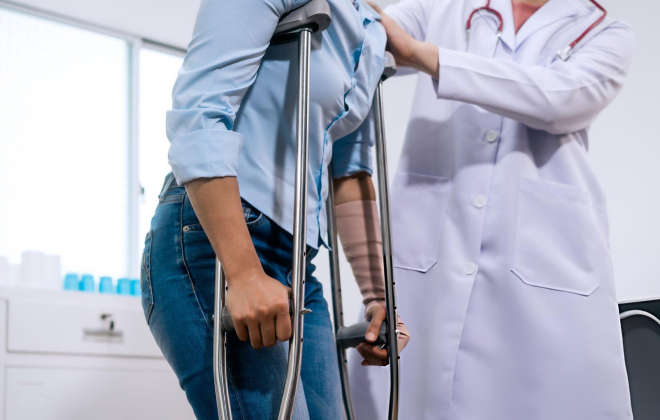
While gradual progress is expected, some symptoms may require medical attention. Early intervention can prevent complications and keep recovery on track. Patients should consult a healthcare professional if they experience:
Even after rehabilitation ends, maintaining strength and mobility is essential.
Long-term physical activity helps maintain muscle strength and joint health. A consistent exercise routine helps prevent future injuries.
Recommended activities may include:
Injury prevention habits support long-term musculoskeletal health.
Preventative measures may include:
Recovering from a complex injury requires more than physical healing. It is a comprehensive journey that involves rebuilding strength, mobility, confidence, and emotional resilience. Through structured rehabilitation, proper nutrition, mental health support, and gradual physical training, patients can regain independence and return to meaningful daily activities.
While the recovery process may take time, consistent effort and professional guidance can lead to significant improvement in both physical and mental well-being. With the right support system and rehabilitation plan, individuals can move forward stronger, healthier, and more confident in their abilities.
 Call Us
Spread the love, follow us on our social media channels