

Emergency Hotline
+(603) 5515 1999

Appointments
+(603) 5515 1966
General Line
+(603) 5515 1888

 November 13, 2025
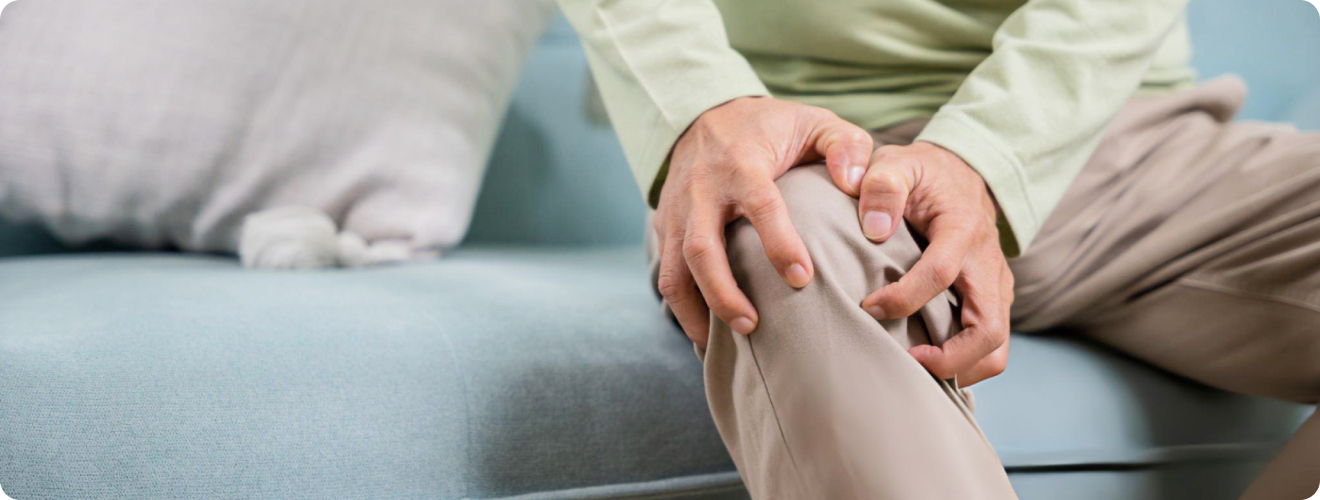
Osteoarthritis (OA) is the most common form of arthritis, affecting millions of people worldwide. Often referred to as “wear-and-tear” arthritis, it is a chronic condition that results from the breakdown and eventual loss of cartilage in one or more joints. While it is more prevalent in older adults, it is not an inevitable part of ageing. OA can significantly impact a person’s quality of life, causing pain, stiffness, and reduced mobility that can make everyday activities challenging.
Understanding the nature of this disease, including its underlying causes, how it progresses, and the available treatment options, is the first step towards effective management. This article provides a comprehensive guide to OA, exploring the causes of osteoarthritis, recognising the key symptoms, outlining established treatment options, and addressing common questions about this pervasive condition.
To understand OA, one must first appreciate the role of cartilage. Cartilage is a firm, slippery tissue that covers the ends of bones in a joint. It provides a smooth surface that allows bones to glide past one another effortlessly as well as acts as a shock absorber. In OA, this protective cartilage gradually deteriorates over time. As the cartilage wears down, the smooth gliding surface becomes rough and pitted.
Eventually, the bones may rub directly against each other, leading to pain, friction, and inflammation. The body’s response to this damage is to produce bone spurs (osteophytes) around the joint, which can cause additional pain and stiffness. The joint capsule may also become inflamed, a condition known as synovitis.
Unlike some other forms of arthritis, such as rheumatoid arthritis, OA is primarily a mechanical process of joint degeneration rather than an autoimmune disease. While inflammation is present, it is a secondary reaction to the joint damage rather than the primary driver of the disease.
While OA is often associated with ageing, its causes are a complex mix of genetic, mechanical, and lifestyle factors. It is not simply the result of getting older.
OA progression is often categorised into four stages, based on the severity of cartilage damage and bone spur formation as seen on an X-ray.
The very earliest stage, often asymptomatic. There may be tiny bone spurs at the ends of the joint, but the cartilage is still healthy.
The cartilage is beginning to show some damage, and bone spurs are more noticeable on an X-ray. The joint space is still relatively normal. Symptoms may be mild, with occasional pain or stiffness after activity.
This is the most symptomatic stage. The cartilage has significantly eroded, and the joint space has narrowed. The bone ends are now starting to rub against each other, and more extensive bone spurs have formed. Pain, swelling, and stiffness are more frequent, impacting daily activities.
The final and most advanced stage. The cartilage is almost completely gone, and the joint space has narrowed drastically. The bones are rubbing directly against each other, causing severe pain and inflammation. The joint feels stiff and its mobility is severely limited.
Recognising the symptoms of osteoarthritis is key to early diagnosis and management. The signs often develop gradually over time and can vary in severity from person to person.
For conditions like osteoarthritis in the knee, symptoms can make it difficult to walk, climb stairs, or get up from a seated position.
A correct diagnosis of osteoarthritis is typically made through a combination of a physical examination, a review of symptoms, and imaging tests.
Physical Examination: A doctor will examine the affected joint for tenderness, swelling, redness, and flexibility.
Medical History: The doctor will ask about your symptoms, past injuries, and family history to help identify risk factors.
Imaging Tests:
Blood Tests: Blood tests are not used to diagnose OA, as it is not an autoimmune disease. However, they may be used to rule out other types of arthritis, such as rheumatoid arthritis, which is important for determining the correct treatment plan.
The primary goal of osteoarthritis treatment is to manage pain, improve joint function, and slow the progression of the disease. While there is no cure for OA, a range of therapies and lifestyle modifications can be highly effective.
Non-surgical treatments may include:
Losing even a small amount of weight can significantly reduce stress on weight-bearing joints and ease pain. This is arguably the most impactful lifestyle change for OA, particularly in the knees and hips.
It might seem counterintuitive, but exercise is crucial. Low-impact aerobic activities like swimming, cycling, or walking keep the joints moving and flexible. Strengthening exercises for the muscles around the joint provide better support and stability. A physiotherapist can design a safe and effective exercise programme.
Using a cane, walker, or knee brace can reduce stress on the joint and improve stability.
When non-surgical options are no longer effective and the pain significantly interferes with a person’s quality of life, surgery may be considered.
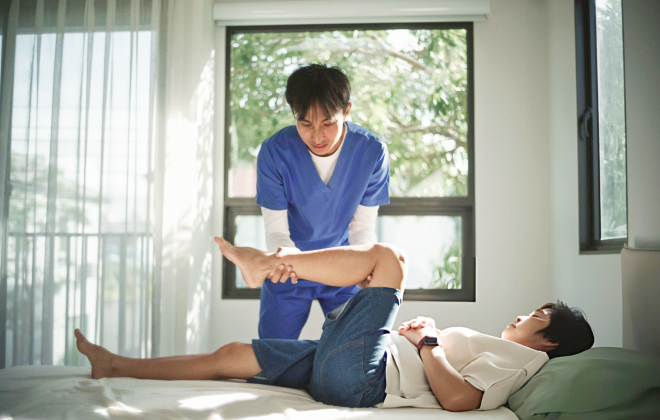
While there is no single “magic bullet” that is considered the best treatment for osteoarthritis, the most effective approach combines lifestyle modifications with medical interventions. The treatment plan must be personalised to the individual’s specific symptoms, the stage of their disease, and their overall health. For most people, a combination of weight management, a tailored exercise programme, and appropriate medication is the cornerstone of effective long-term management.
Early intervention is key, as managing the disease in its early stages can help slow its progression and preserve joint function for longer.
Osteoarthritis is a chronic and progressive condition, but it is not a diagnosis without hope. By understanding the causes and recognising the symptoms at an early stage, individuals can take proactive steps to manage the disease. While there is no cure, a multi-faceted approach to osteoarthritis treatment can be incredibly effective in controlling pain, improving mobility, and maintaining an active lifestyle. Whether it’s through simple lifestyle changes like weight loss and exercise or more advanced medical interventions like injections and surgery, a personalised treatment plan is the key to living well with OA. The journey to a healthier, more active life with OA begins with knowledge and a commitment to positive change. By embracing a proactive approach, individuals can regain control over their joint health and continue to enjoy a fulfilling and mobile future.
The best approach for osteoarthritis is a multifaceted plan that combines lifestyle changes and medical treatment. The most impactful actions are regular exercise (specifically low-impact activities like swimming or cycling) and weight management. These two habits reduce stress on joints and can significantly improve pain and function. Other key components include physical therapy, medication for pain, and, in advanced cases, joint injections or surgery.
The primary cause of osteoarthritis is the progressive breakdown and loss of cartilage in a joint. This is a mechanical process often linked to a combination of factors, including age, joint injury, obesity (which puts extra stress on joints), and repetitive joint stress from certain occupations or sports. Genetic predisposition also plays a role in a person’s risk.
• Joint pain: An aching or sharp pain that worsens with activity.
• Stiffness: A feeling of stiffness in the joint, especially in the morning or after rest.
• Swelling: The joint may appear swollen and feel warm.
• Grating or cracking sensation: A crunching sound or feeling (crepitus) when the joint moves.
• Reduced range of motion: Difficulty moving the joint fully.
While you can’t completely stop osteoarthritis, you can significantly slow its progression and manage symptoms by adopting a heart-healthy lifestyle. The most effective steps are: maintaining a healthy weight to reduce joint stress, engaging in regular, low-impact exercise to strengthen supporting muscles and improve flexibility, and protecting your joints from further injury. Using assistive devices and managing pain with medication can also help you stay active and maintain function.

Dr Adrian Mark Masnammany
Consultant Physician & Rheumatologist
Sources:
 Call Us
Spread the love, follow us on our social media channels