

Emergency Hotline
+(603) 5515 1999

Appointments
+(603) 5515 1966
General Line
+(603) 5515 1888

 November 12, 2025

Acne is a nearly universal skin condition, often seen as a rite of passage during the teenage years. Yet, for many, the battle with breakouts extends well into adulthood, affecting self-esteem and confidence. This common inflammatory skin condition manifests as pimples, blackheads, whiteheads, and cysts, primarily on the face, back, and chest. The frustration of dealing with persistent blemishes, regardless of age, can be significant. However, understanding the causes and available treatments can transform a sense of helplessness into a proactive approach to clear, healthy skin.
This article provides a comprehensive guide to acne management, covering both teenage breakouts and the specific challenges faced by adults. We will explore the root causes of acne and outline a range of effective acne treatment options, helping you navigate your journey toward clearer skin.
Acne is caused by a combination of four main factors:
In adults, other factors can contribute to acne. Stress, certain medications, diet, and even the use of certain cosmetic products can trigger breakouts. This is why adult acne often requires a different approach to acne management.
The journey to clear skin begins with a consistent skincare routine. For mild to moderate acne, over-the-counter (OTC) products are an excellent starting point. The most effective ingredients include:
For more severe or persistent acne, a dermatologist’s consultation is essential. They can prescribe stronger medications and create a personalised acne treatment plan. Prescription options include:
Adult acne often presents differently from teenage breakouts, with more inflammatory lesions, and can be influenced by hormones, stress, and lifestyle. Therefore, the best acne treatment for adults may differ.
Adults should focus on a gentle, non-irritating routine that respects the skin barrier. Over-stripping the skin can lead to more breakouts. A regimen might include:
For adult women, hormonal factors are often at play. A dermatologist may investigate this and recommend hormonal therapy if appropriate. Managing stress and ensuring a balanced diet are also key components of an adult acne management plan.
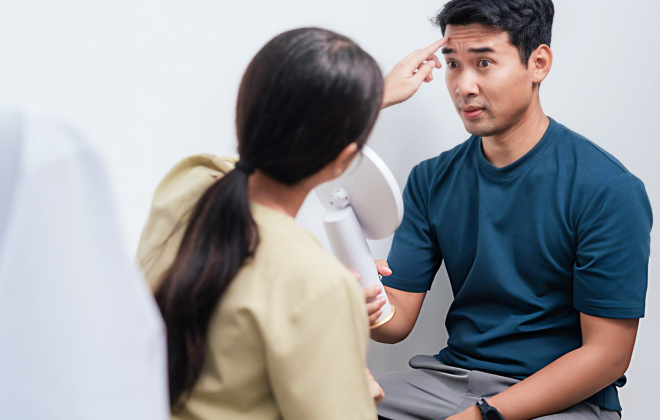
Yes, we know, you are looking for an answer to how to cure acne. The reality is that acne is a chronic condition that cannot be permanently “cured” in the way a bacterial infection is. There is no single treatment that will ensure a lifetime of blemish-free skin. However, it can be very effectively controlled and managed to the point where breakouts are rare and minimal.
The goal is to find a sustainable acne treatment routine that keeps the condition in remission. Consistency is key. Even after acne clears up, maintaining a good skincare routine is essential to prevent it from returning.
Whether you’re dealing with teenage breakouts or adult concerns, effective acne management is possible. By understanding the underlying causes and committing to a consistent skincare routine, you can take control of your skin’s health. While there’s no permanent cure, a tailored acne treatment plan, often combining over-the-counter products with professional guidance from a dermatologist, can keep the condition in check.
For adults, a gentle approach that respects hormonal and lifestyle factors is often the most successful, addressing issues like stress and diet. Embracing a proactive strategy and being patient with the process will ultimately lead to clearer, healthier skin and a restored sense of confidence, improving your overall well-being and outlook for a more positive self-image. This holistic approach recognises that acne isn’t just a physical issue but one that impacts mental and emotional health. Taking steps to manage it effectively empowers individuals, giving them a sense of control over their appearance and, in turn, their lives.
 Call Us
Spread the love, follow us on our social media channels