

Emergency Hotline
+(603) 5515 1999

Appointments
+(603) 5515 1966
General Line
+(603) 5515 1888

 October 13, 2025
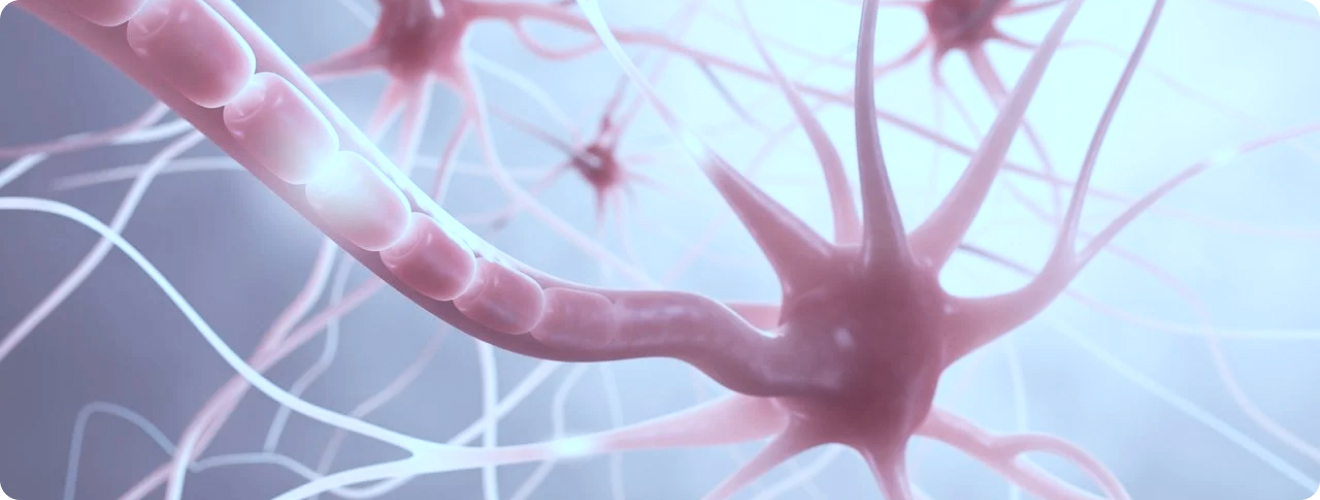
Multiple sclerosis (MS) is a chronic, often unpredictable disease that affects the central nervous system, which includes the brain and spinal cord. With over 2.8 million people worldwide living with MS, this condition significantly impacts not only those diagnosed but also their families and communities. The effects of MS can vary widely, making it a complex and challenging disease to understand and manage. Early recognition and timely intervention are crucial in improving the quality of life for individuals with MS. This article aims to provide a clear, accessible overview of MS, focusing on its early signs, the diagnostic process and the support systems available for patients and their loved ones.
Multiple sclerosis is an autoimmune disorder, which means the body’s immune system mistakenly attacks its own tissues. In the case of MS, the immune system targets the protective covering (myelin) that surrounds nerve fibres in the central nervous system. This damage disrupts the normal flow of electrical impulses along the nerves, leading to a variety of symptoms.
While the exact cause of MS remains unknown, several factors are believed to play a role. Genetic predisposition, environmental influences, and possibly viral infections have all been linked to the development of MS. Certain risk factors, such as being female, having a family history of MS, and living in regions farther from the equator, may increase susceptibility. However, MS can affect anyone, regardless of age, gender, or background.
The early symptoms of MS are often subtle, making them easy to overlook or attribute to other conditions. However, recognising these initial signs is vital, as early diagnosis and treatment can help slow the progression of the disease.
It’s important to note that the symptoms of MS can vary greatly from person to person. Some people may experience only a few mild symptoms, while others may have more pronounced and persistent issues. Symptoms can also fluctuate over time, with periods of relapse and remission.
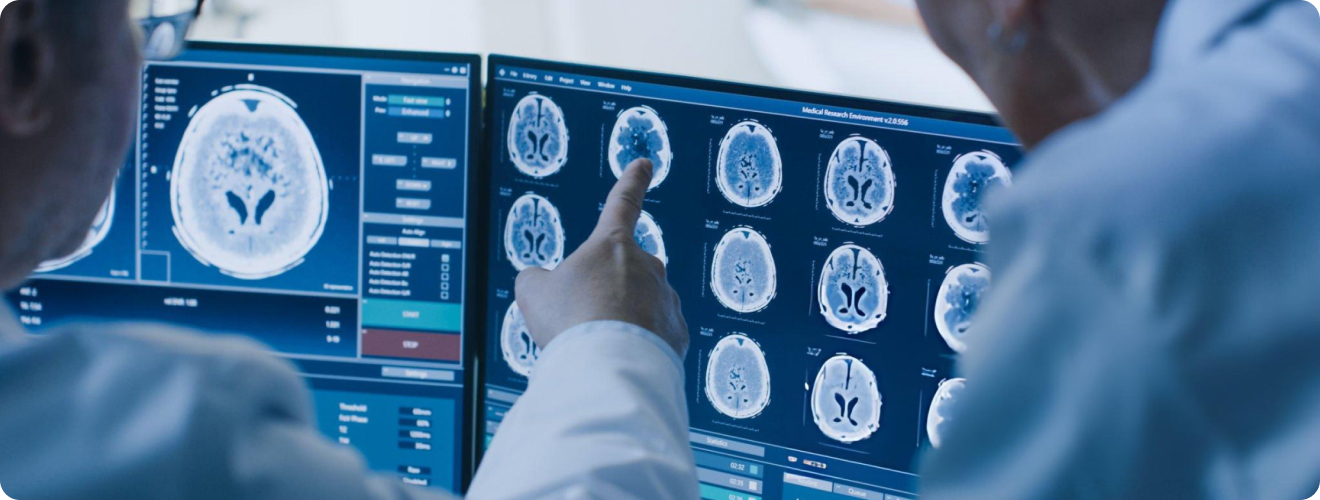
Diagnosing MS can be challenging, as its symptoms often mimic those of other neurological conditions. There is no single test that definitively confirms MS; instead, doctors rely on a combination of medical history, neurological examinations, and diagnostic tests.
The diagnostic process may require several visits and repeat testing, as MS can present differently in each individual. Early and accurate diagnosis is crucial for starting treatment and managing symptoms effectively.
The treatment of multiple sclerosis (MS) focuses on managing symptoms, slowing disease progression, and improving quality of life. While there is no cure for MS, a variety of therapies are available to address different aspects of the condition.
Treatment plans are highly individualised and should be regularly reviewed by a healthcare team to ensure the best outcomes. Early intervention and ongoing management are key to living well with MS.
Living with MS requires ongoing medical care, emotional support, and practical assistance. A comprehensive support system can make a significant difference in the lives of patients and their families.
Adjusting to life with MS involves learning new ways to manage symptoms and maintain a good quality of life. Advances in treatment and support have made it possible for many people to lead fulfilling lives.
Family members and caregivers also play a critical role in supporting individuals with MS. Educating themselves about the disease, participating in support groups, and attending medical appointments together can strengthen the support network.

Raising awareness about multiple sclerosis, its symptoms and the importance of early diagnosis can make a meaningful difference in the lives of those affected. With the right support systems in place, individuals with MS can manage their symptoms, maintain independence, and continue to pursue their goals.
Ongoing research and advocacy efforts offer hope for better treatments and, ultimately, a cure. By fostering understanding and compassion, we can help ensure that no one faces MS alone.
Sources:
 Call Us
Spread the love, follow us on our social media channels