

Emergency Hotline
+(603) 5515 1999

Appointments
+(603) 5515 1966
General Line
+(603) 5515 1888

 January 23, 2026

Dengue fever is one of the most common mosquito-borne diseases in Malaysia and continues to pose a serious public health challenge. With Malaysia’s tropical climate, frequent rainfall, and dense urban living, dengue outbreaks occur throughout the year, particularly during the monsoon seasons.
According to the Ministry of Health Malaysia (MOH), dengue cases remain consistently high despite ongoing mosquito control programs and public awareness campaigns. Knowing the common dengue symptoms, risk factors, effective prevention strategies, and the latest dengue vaccine updates in Malaysia is crucial for early detection and protecting yourself and your family.
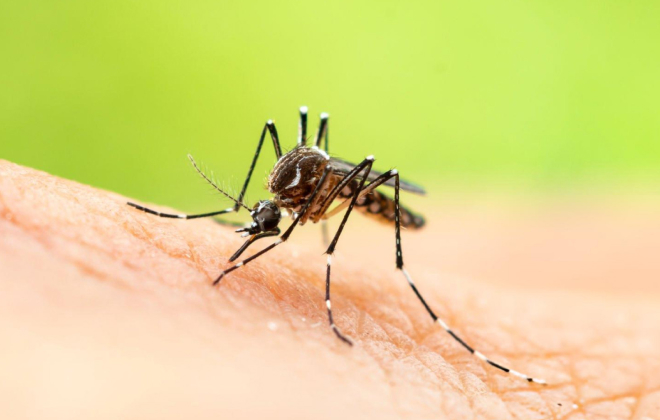
Dengue fever is a viral infection caused by the dengue virus (DENV), which has four distinct serotypes (DENV-1, DENV-2, DENV-3, and DENV-4). In Malaysia, dengue is mainly transmitted by the Aedes aegypti and Aedes albopictus mosquitoes.
Once infected, a person develops immunity to one serotype but can still be infected by others, increasing the risk of severe dengue during subsequent infections.
Several factors make Malaysia particularly vulnerable to dengue outbreaks:
Dengue cases are reported across all Malaysian states, with higher incidence in Selangor, Kuala Lumpur, Penang, Johor, and other densely populated regions.
Dengue symptoms typically appear 4 to 10 days after a mosquito bite. Early symptoms can be mistaken for viral flu, which is why many cases are diagnosed late.
Common early symptoms include:
Some patients may develop severe dengue, which can be life-threatening without prompt medical care. Seek immediate medical attention if any of the following occur:
In Malaysia, suspected severe dengue cases are typically admitted for close monitoring, especially platelet count and fluid balance.
Dengue is not spread directly from person to person. Transmission occurs when a mosquito bites an infected individual and later bites another person.
Higher transmission risk is associated with:
Unlike malaria mosquitoes, Aedes mosquitoes bite during the day, making daytime prevention crucial.
The Ministry of Health Malaysia strongly recommends the following:
Malaysia’s dengue control strategy focuses heavily on community participation:
Simple actions such as emptying flower pots, covering water containers, and cleaning roof gutters can significantly reduce mosquito breeding.
Dengue is diagnosed through:
Early diagnosis helps prevent complications and hospitalization.
There is no specific antiviral treatment for dengue fever. Treatment focuses on supportive care:
Most mild dengue cases recover within 7-10 days with proper care.
Malaysia has approved the use of a newer dengue vaccine known as QDENGA (TAK-003). This vaccine represents a significant advancement compared to earlier dengue vaccines.
Key features of the latest dengue vaccine:
Dengue vaccination may be considered for:
Vaccination suitability should always be assessed by a doctor, considering age, medical history, and dengue exposure risk.

Is Dengue Vaccination Enough?
No. Vaccination should complement-not replace-mosquito control and personal preventive measures. A combined approach offers the best protection against dengue infection.

Stay safe from dengue fever: Get the MOH-approved 2-doses of dengue vaccine at Avisena Specialist Hospital.
Explore our dengue vaccination packages and promotions to keep yourself and your loved ones protected. Book your slot today!
Malaysia continues to strengthen dengue prevention through:
Dengue fever in Malaysia is a persistent health concern, but it is preventable and manageable with the right knowledge and action. Recognizing early symptoms, reducing mosquito exposure, seeking timely medical care, and considering vaccination can significantly reduce the risk of severe illness.
As dengue continues to affect communities nationwide, informed individuals play a crucial role in protecting not only themselves but also public health in Malaysia.
 Call Us
Spread the love, follow us on our social media channels