

Emergency Hotline
+(603) 5515 1999

Appointments
+(603) 5515 1966
General Line
+(603) 5515 1888

 November 11, 2025

Hearing is an essential sense that links us to our surroundings, helping us communicate, appreciate music, and remain aware of potential dangers. Yet, for millions of people across the globe, including Malaysia, this connection is disrupted by hearing loss.
This condition is not just about a diminished ability to hear; it’s a profound change that can lead to social isolation, communication frustration, and even impact cognitive health. The journey from the first subtle sign to a full and adapted life can be challenging, but it is one filled with support and technological advancements. Understanding the nature of hearing loss, its causes, and the available solutions is the first and most crucial step in this journey. This article will guide you through the process, from recognising the early signs of hearing loss in adults to exploring effective treatments and modern adaptations.
In Malaysia, hearing loss is a significant health concern, with the general population prevalence estimated at over 21%. For adults, particularly in older age groups, the prevalence of at least a mild hearing loss is notably high, impacting a substantial portion of the population.
Before embarking on the journey of diagnosis and treatment, it’s vital to understand the different forms of the condition. There are 4 types of hearing loss, each with distinct causes and characteristics:
The list of diseases that cause hearing loss is extensive, ranging from viral infections like mumps and measles to autoimmune diseases like Meniere’s disease. Tumours on the auditory nerve, head injuries, and certain medications (ototoxic drugs) can also be responsible.
The diagnostic process begins with a comprehensive hearing test conducted by an audiologist. This test determines the type and degree of your hearing loss. Based on these results, a tailored hearing loss treatment plan is developed.
For conductive hearing loss, treatment can be as simple as earwax removal or a course of antibiotics for an infection. Surgical interventions can also be used to repair a damaged eardrum or address issues with the tiny bones in the middle ear.
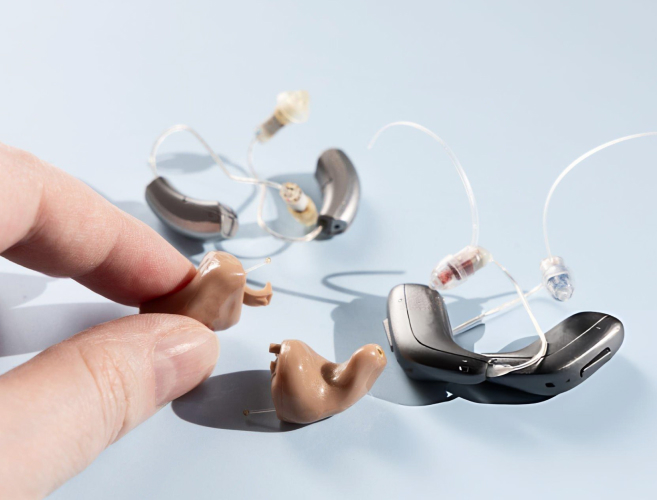
For the more common sensorineural hearing loss, the most widely used and effective treatment is the use of hearing aids. Modern devices are incredibly advanced, smaller, and more discreet than ever before. They are designed to amplify sound and can be programmed to suit an individual’s specific hearing profile.
Life with hearing loss is a journey of continuous adaptation, a silent shift that requires resilience and a proactive mindset. It’s not just the absence of sound, but a profound change in how we connect with the world and the people around us. For many, the initial diagnosis can bring a mix of emotions – frustration, isolation, and a sense of loss. However, embracing this new reality is the first step toward a fulfilling life. Instead of viewing it as a limitation, it can be seen as an opportunity to build new skills, like heightened observation and more intentional communication. This perspective shift is crucial for moving forward, enabling individuals to take control of their new circumstances and redefine their daily interactions. By accepting the challenge and seeking support, people can transform their experience, learning to thrive in a world that may sound different but is just as rich and engaging.
Adapting to hearing loss involves more than just wearing hearing aids; it’s about navigating social situations with new strategies. This includes learning to read lips, using visual cues, and openly communicating one’s needs to friends and family. It also means advocating for oneself in noisy environments, such as asking to be seated in a quieter section of a restaurant or requesting a meeting in a well-lit room. Building a support network of people who understand and accommodate your needs is crucial. Technology, from assistive listening devices to smartphone apps that transcribe speech, can also be a powerful tool, bridging the gap between sound and silence and empowering individuals to stay connected and engaged. The journey is personal, but with the right tools, strategies, and mindset, a rich and connected life is entirely possible.
Hearing loss is a common condition that can have a profound impact on an individual’s life. However, it is not a diagnosis to fear. By understanding the types of hearing loss and recognising the early signs in adults, individuals can take the critical first step toward a better quality of life. Navigating and adapting to life with hearing loss is a journey of continuous adaptation, a silent shift that requires resilience and a proactive mindset. It is not just about the absence of sound but about finding new ways to connect with the world and the people around us.
With advancements in hearing loss treatment, from sophisticated hearing aids to the latest treatment for hearing loss like cochlear implants, a world of sound is more accessible than ever before. Combined with effective communication strategies and a supportive community, living with hearing loss is no longer about silence, but about adaptation, connection, and thriving.
 Call Us
Spread the love, follow us on our social media channels