

Emergency Hotline
+(603) 5515 1999

Appointments
+(603) 5515 1966
General Line
+(603) 5515 1888

 March 20, 2024

Our colon is the first and the longest part of our large intestine, the organ responsible for turning food waste into stool and passing it out of our body. However, the colon is susceptible to a serious disease – colon cancer or colorectal cancer. It is one of the most prevalent cancers in men and the second most prevalent cancer in women in Malaysia. It is also the third most common cancer affecting people around the world, accounting for at least 10% of all cancer cases worldwide.
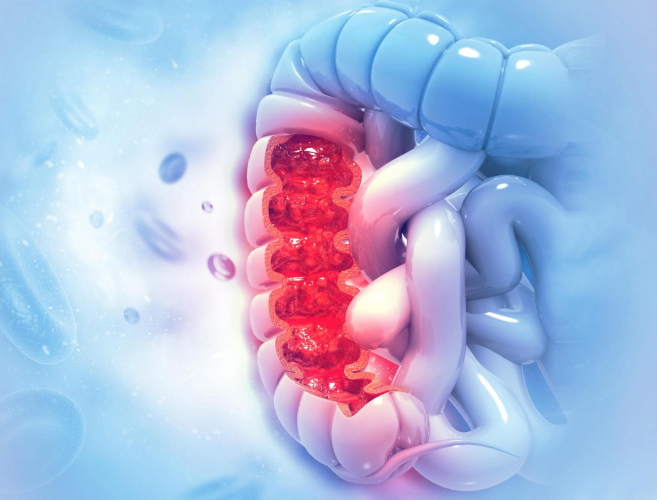
Colorectal cancer is the growth of cells that begins in the colon. It develops from small clumps of cells, known as polyps or growths in the inner lining of your colon.
Our colon is made of layers of mucous membranes, tissues and muscles. Colon cancer begins in the mucosa, a soft tissue lining the body’s digestive, respiratory and reproductive canals and organs. This lining consists of cells which release mucus and other fluids. These cells may mutate to form colon polyp. Several sophisticated tests can detect precancerous polyps before they turn cancerous. Colon cancer is sometimes referred to as colorectal cancer to combine colon cancer and rectal cancer.
Early diagnosis and sophisticated treatment have increased the chances of survival from colon cancer. However, if not detected on time, colon cancer can spread to other parts of the body. Most cases of colon cancer are diagnosed in older adults, although it can happen at any age. Men are more likely to develop colorectal cancer than women.
Symptoms of colorectal cancer may not be visible in the beginning. Since the symptoms of colon cancer are similar to other less serious conditions, an individual may not be able to understand that it’s a serious condition.
Here are some of the most common symptoms of colorectal cancer:
The exact causes of why people develop polyps which develop into colorectal cancer are still unknown. However, medical researchers have identified certain risk factors such as lifestyle choices and inherited conditions that can lead to this disease.
Certain genetic and medical conditions can also increase the risk of colorectal cancer such as:
Colorectal cancer starts with a polyp in the wall of the colon or rectum over time. Once the cancer cells start to grow in the wall, they can spread to the blood vessels or lymph vessels and then slowly travel to nearby lymph nodes or other parts of the body.
The extent of spread depends on how deeply the polyp has grown in the wall and whether the cancer has spread outside the colon or rectum.
The most common kind of colorectal cancer is Adenocarcinoma, which refers to the development of polyps on the inner wall of the colon and rectum. Other types of colorectal cancer include:
A rare type of cancer that can develop in the soft tissues of the body. While such kinds of cancer cells can be found in the gastrointestinal tract, they can be found in the colon too. The tumours can also start in the connective tissues of the colon or blood vessels.
This is a cancer of the immune system. Although usually lymphoma starts in the lymph nodes, it can also start in the colon.
These tumours start in the hormone-producing cells in the intestines.

Consulting a doctor once you face any of the symptoms is highly recommended. Colorectal cancer is usually treated through surgery. However, your medical team may also use other treatment methods such as polypectomy, partial colectomy, radiofrequency ablation, chemotherapy, targeted therapy and others.
Following the doctor’s advice is of utmost importance while getting treated for this condition. Lifestyle changes can help in coping with the side effects of treatment and remain healthy during the treatment process.
Sources:
 Call Us
Spread the love, follow us on our social media channels