

Emergency Hotline
+(603) 5515 1999

Appointments
+(603) 5515 1966
General Line
+(603) 5515 1888

 April 4, 2024

Day to day life with dementia can be challenging, not just for the person affected but also for their caregivers and families. As the condition progresses, it can bring about changes in behaviour, cognition, and emotions, making everyday tasks more demanding. However, with the right support and guidance, caregivers can navigate this journey more smoothly, ensuring their loved ones receive the care and attention they need.

To begin with, it’s crucial to understand what dementia is and how it affects individuals. Dementia is not a specific disease but rather a term used to describe a range of symptoms associated with a decline in memory, thinking, and reasoning skills.
Although the most common type of dementia is Alzheimer’s disease, there are other types as well, such as Lewy body dementia and vascular dementia.
Dementia is a progressive condition that affects memory and cognitive abilities, impacting millions worldwide. One goes through different stages, each having specific symptoms. The knowledge of the stages and symptoms can be helpful for effective caregiving and management.
Mild cognitive impairment (MCI) is the earliest stage of dementia, characterised by subtle changes in memory, thinking, and language skills. Symptoms include forgetfulness, difficulty finding words, trouble with organisation, and mild confusion in unfamiliar situations.
As dementia worsens, symptoms become more disruptive and impact daily tasks. Early on, individuals may still manage some activities alone but may need help with specific tasks. Common signs include memory loss, concentration difficulties, problem-solving struggles, mood changes, and language problems.
The moderate stage of dementia is characterised by significant cognitive decline and an increasing need for daily assistance. It is the longest and most challenging for both patients and caregivers. Symptoms include severe memory loss, difficulty recognising familiar places or people, trouble with basic activities, changes in behaviour or personality, and impaired communication skills.
In severe dementia, individuals need full-time help with daily tasks and may struggle to remember, communicate, or recognise loved ones. Symptoms include severe memory loss, loss of motor skills, incontinence, and difficulty recognising familiar people or places, with limited verbal communication.
If you want to know more about dementia, we recommend you to read our article Understanding Dementia Unravelling the Mysteries of Cognitive Decline.
Now let’s look at a few useful tips to help you navigate the challenges of caregiving for individuals with dementia:
Knowledge is power, especially when it comes to caregiving for someone with dementia. Take the time to educate yourself about the condition, its symptoms, progression, and available treatments. Understanding what your loved one is experiencing can help you provide better care and support. There are plenty of resources available, including books, online courses, support groups, and websites.
Consistency and structure can be comforting for individuals with dementia. Establishing a daily routine can help reduce confusion and anxiety. Try to stick to regular meal times, bedtime routines, and activities. Keep important items like keys, glasses, and medications in the same place to minimise confusion.
Communication can become challenging as dementia progresses. Use simple, clear language and speak slowly. Avoid asking open-ended questions, instead offer choices. Be patient and give your loved one time to process information. Nonverbal cues such as facial expressions and gestures can also help convey messages effectively.
Safety is paramount when caring for someone with dementia. Make sure the home environment is free from hazards such as slippery floors, sharp objects, and clutter. Install grab bars in the bathroom and handrails on staircases to prevent falls. Consider using door locks or alarms if wandering becomes a concern.
Caring for someone with dementia can be physically and emotionally exhausting. It is essential to prioritise your own well-being to avoid burnout. Make time for activities you enjoy, whether it is reading, exercising, or spending time with friends. Seek support from other family members, friends, or support groups. Remember, you can’t pour from an empty cup.
Flexibility is key when caring for someone with dementia. Be prepared for unexpected changes in behaviour or mood. Remember that your loved one is not deliberately trying to be difficult; it’s the disease causing these challenges. Practise patience and empathy, even in the face of frustration.
Don’t hesitate to reach out for professional help when needed. Healthcare professionals such as doctors, nurses, and social workers can offer valuable guidance and support. They can also help with medication management, symptom management, and referrals to other services such as respite care or counselling.
While it’s important to address the practical aspects of caregiving, don’t forget to focus on quality of life as well. Engage your loved one in activities they enjoy, whether it’s listening to music, gardening, or reminiscing about past memories. Encourage social interaction with friends and family members, even if it’s just a simple phone call or visit.Tip 9: Plan for the Future
Finally, it is essential to plan for the future as dementia progresses. Discuss long-term care options with your loved one and other family members. Consider legal and financial planning, including advance directives and power of attorney. Having these discussions early on can help alleviate stress and ensure your loved one’s wishes are respected.
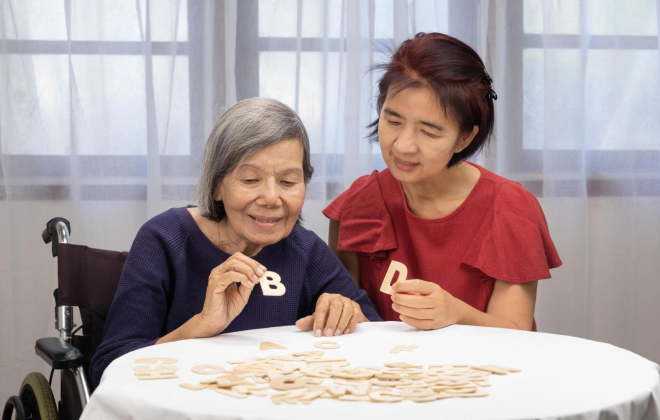
It is often said that “Although dementia patients may forget us, society should never forget them”.
We understand that caring for someone with dementia can be difficult, however it is highly rewarding. Seeing your loved one live a healthy life can be immensely satisfying.
Educate yourself, establish a routine, simplify communication, and prioritise self-care to navigate more effectively. Seek support when needed and focus on providing the best quality of life. With patience, empathy, and compassion, you can make a positive difference in their lives despite the challenges of dementia.
Sources:
 Call Us
Spread the love, follow us on our social media channels