

Emergency Hotline
+(603) 5515 1999

Appointments
+(603) 5515 1966
General Line
+(603) 5515 1888

 February 9, 2026

Ramadan is one of the most meaningful months for Muslims in Malaysia. From pre-dawn (sahur) to sunset (iftar or berbuka puasa), fasting is not only a spiritual practice but also a time for reflection, community, and family gatherings. In Malaysia, Ramadan is also closely associated with vibrant Ramadan bazaars, traditional dishes, and festive evening meals.
However, while the variety of food available during Ramadan can be exciting, it can also lead to unhealthy eating habits such as overeating, excessive fried food consumption, and sugary drinks. Long fasting hours, hot weather, and changes in meal timing can also affect energy levels, hydration, and digestion.
Healthy eating during Ramadan is essential to maintain stamina throughout the day, prevent dehydration, and support overall well-being. By making mindful food choices and planning balanced meals for sahur and iftar, Malaysians can enjoy traditional foods while keeping their health in check.
This guide provides practical, professional nutrition advice tailored to the Malaysian lifestyle, including healthier choices for common Ramadan foods, hydration tips for tropical climates, and strategies to stay energized throughout the fasting month.
During Ramadan, the body experiences changes in metabolism and eating patterns. Since food and water intake are limited to the hours between sunset and dawn, the body must rely on stored energy during fasting hours.
In the first few hours of fasting, the body uses glucose stored in the liver and muscles. As fasting continues, it begins to use stored fat as a source of energy. This metabolic shift can be beneficial when supported by balanced nutrition.
To stay healthy during Ramadan, meals should ideally include:
In Malaysia’s warm and humid climate, hydration and electrolyte balance are especially important.
Malaysia has a unique Ramadan food culture. Many families enjoy traditional dishes such as:
While these foods are culturally significant and delicious, frequent consumption of fried foods and sugary beverages can contribute to excessive calorie intake, fatigue, and digestive discomfort.
A healthier approach does not mean avoiding traditional foods entirely. Instead, it means moderation, balanced portions, and healthier cooking methods.
Sahur is one of the most important meals during Ramadan, yet many people skip it due to sleepiness or lack of appetite.
Skipping sahur can lead to:
A balanced sahur meal should provide slow-releasing energy and keep you full for longer. Recommended foods include:
These foods digest slowly and help prevent rapid drops in blood sugar.
Some simple and balanced sahur meal ideas include:
Avoid overly salty foods during sahur as they may increase thirst during the day.
After fasting for many hours, it is important to break the fast gently to allow the digestive system to adjust.
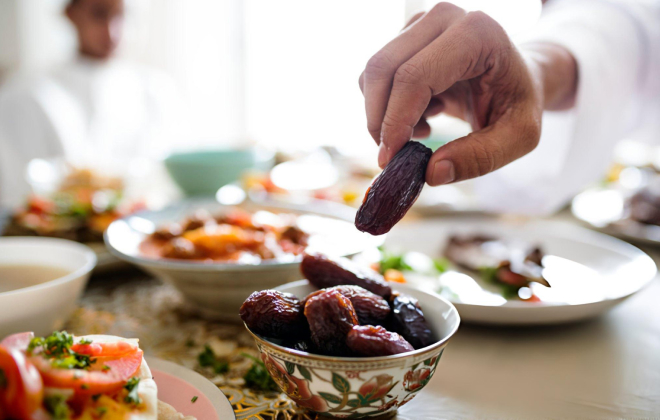
It is traditional to break the fast with dates and water, which is both culturally meaningful and nutritionally beneficial.
Dates provide:
Drinking water first also helps rehydrate the body before consuming a larger meal.
Instead of immediately eating a heavy meal, begin with light foods such as:
This helps the stomach prepare for the main meal and reduces overeating.
Iftar meals in Malaysia often include a variety of dishes. While this is enjoyable, portion control is key. A balanced iftar plate should include:
Protein
Complex carbohydrates
Vegetables
Healthy fats
For example, a healthy Malaysian iftar plate could include grilled fish, brown rice, stir-fried kangkung, and a side of fresh salad.
Ramadan bazaars are a beloved Malaysian tradition, offering a wide range of dishes and desserts. However, many foods sold at bazaars are deep-fried or high in sugar.
Healthier options include:
Try to limit:
Instead, choose plain water, coconut water, or unsweetened beverages.
Hydration is particularly important in Malaysia due to the hot and humid weather, which increases fluid loss through sweat. Aim for 8-12 glasses of water between iftar and sahur to stay well hydrated during fasting. A simple way to reach this goal is the 2-6-2 rule:
You can spread the evening glasses out – for example, 2 after your meal, 2 later in the evening, and 2 before bed – to make it easier on your stomach.
Some foods naturally contain high water content, including:
Limiting caffeinated drinks like coffee and tea can also help reduce dehydration.
Instead of heavy late-night meals, light nutritious snacks are a better choice.
Healthy snack ideas include:
These snacks help maintain energy without overloading the digestive system.
Many people experience fatigue or difficulty concentrating during Ramadan.
Tips to Stay Energized:
More intense workouts should be done after iftar when hydration is possible.
To maintain good health throughout the fasting month, remember these practical tips:
Adopting these habits can help Malaysians enjoy Ramadan while protecting their health.
While fasting is beneficial for many healthy adults, individuals with certain medical conditions should consult healthcare professionals before fasting.
These include people with:
Seeking medical advice helps ensure that fasting is practiced safely and responsibly, in line with the Islamic emphasis on protecting one’s health.

General nutrition tips can help during Ramadan, but individual needs vary, especially for those managing weight, diabetes, or other health conditions. Getting professional dietary advice can help ensure safe and balanced fasting.
For personalised guidance on healthy eating during Ramadan, consult Suraya Arshad, Clinical Dietitian at Avisena Specialist Hospital. A graduate of Universiti Kebangsaan Malaysia with a Bachelor of Dietetics (Hons), she has experience in clinical nutrition, therapeutic meal planning, and patient dietary management.
Suraya is also a member of the ADEM (Avisena Diabetic, Endocrine & Metabolic), working with healthcare professionals to support patients in managing their diet and blood sugar levels effectively during fasting.
To learn more or make an appointment, visit:
 Call Us
Spread the love, follow us on our social media channels