

Emergency Hotline
+(603) 5515 1999

Appointments
+(603) 5515 1966
General Line
+(603) 5515 1888

 April 3, 2024

Lifestyle diseases have been a much-discussed topic across the world. They are a natural outcome of the hectic and stressful life that most people live. Probably the most common lifestyle disease of all is diabetes. Today, let’s talk about a very specific side of diabetes – blood sugar monitoring.
Maintaining healthy blood sugar levels is crucial for overall well-being, especially for individuals with diabetes or those at risk of developing the condition. Blood sugar monitoring plays a vital role in managing diabetes and preventing complications associated with high or low blood sugar levels.
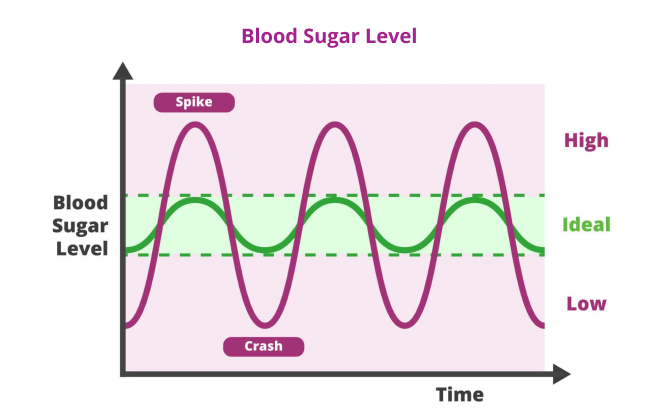
Before diving into blood sugar monitoring, it’s essential to grasp the basics of blood sugar levels and their significance in health. Blood sugar, also known as blood glucose, refers to the sugar present in the bloodstream, which serves as the primary source of energy for cells throughout the body.
However, maintaining blood sugar levels within a healthy range is critical, as excessively high or low levels can have adverse effects on health.
For individuals with diabetes, monitoring blood sugar levels is a fundamental aspect of self-care. Here’s why:
Monitoring blood sugar levels allows individuals with diabetes to track how their bodies respond to various factors, such as food, physical activity, medication, and stress. By regularly monitoring blood sugar levels, individuals can make informed decisions about diet, exercise, and medication adjustments to keep their blood sugar levels in check.
Consistent high blood sugar levels can lead to long-term complications such as heart disease, kidney damage, nerve damage, and vision problems. On the other hand, dangerously low blood sugar levels (hypoglycemia) can cause confusion, seizures, and loss of consciousness. Regular blood sugar monitoring helps individuals detect and address fluctuations in blood sugar levels promptly, reducing the risk of complications.
Monitoring blood sugar levels is not only essential for managing diabetes but also for promoting overall health and well-being. By maintaining stable blood sugar levels, individuals can improve energy levels, mood, cognitive function, and overall quality of life.
Several methods are available for monitoring blood sugar levels. Here’s an overview of the most common ones:
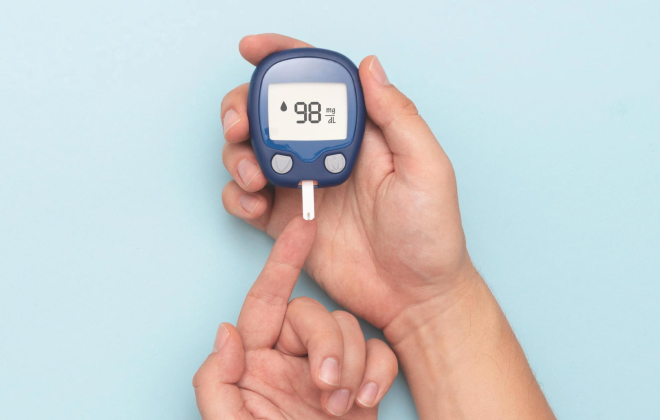
Fingerstick blood glucose metres are portable devices that allow individuals to measure their blood sugar levels using a small drop of blood obtained by pricking the tip of the finger with a lancet. These metres provide immediate results and are suitable for daily monitoring at home or on the go.
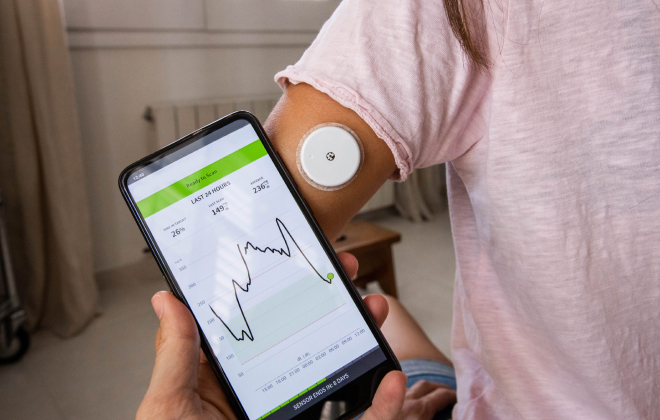
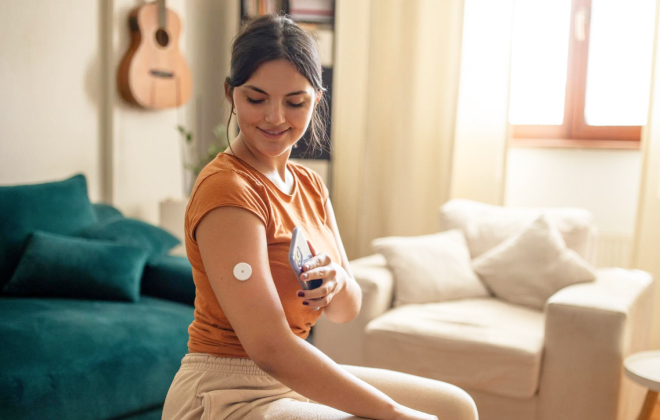
CGM systems consist of a sensor placed under the skin to continuously monitor glucose levels in the interstitial fluid. The sensor transmits real-time glucose readings to a receiver or smartphone, providing users with comprehensive data on their blood sugar trends throughout the day and night. CGM systems are particularly useful for individuals who require frequent blood sugar monitoring or those who experience significant fluctuations in blood sugar levels.
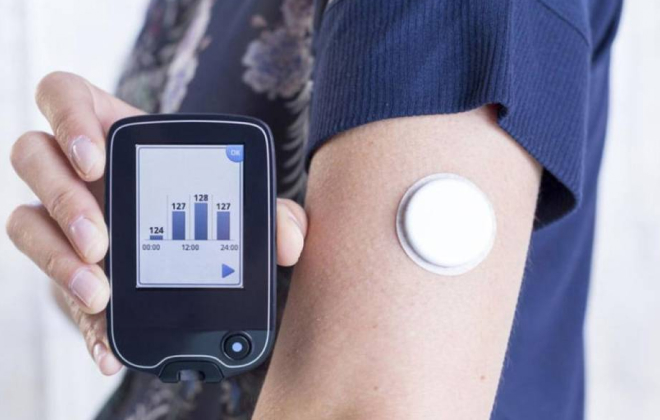
Similar to CGM systems, flash glucose monitoring involves wearing a sensor that continuously measures glucose levels in the interstitial fluid. However, instead of transmitting real-time data, flash glucose monitors store glucose readings in the sensor, which can be scanned using a reader device to obtain glucose data retrospectively.
Your friend in need of regular blood sugar monitoring is a blood glucose monitor or blood glucose meter. A type of fingerstick blood glucose meter, a glucose meter is a simple machine that you can use at home to measure the amount of glucose in your blood. It can be immensely helpful in tracking any fluctuations in your blood glucose level.
Using a glucose monitor might seem a bit intimidating at first, but honestly, it’s not as complicated as it seems.
It’s also important to calibrate your monitor regularly and check for any errors or malfunctions.
To make the most of blood sugar monitoring, consider the following tips:
Develop a consistent schedule for blood sugar monitoring, taking into account factors such as meal times, physical activity, medication schedule, and sleep patterns. Consistency is key to gaining insights into your blood sugar trends and making informed decisions about diabetes management.
Maintain a logbook or use a smartphone app to record blood sugar readings, along with relevant details such as meal times, medication doses, physical activity, and any symptoms experienced. Keeping accurate records helps identify patterns and triggers that may affect blood sugar levels.
It is important to share your sugar data with your healthcare team during check-ups so they can give you personalised guidance and adjust treatment plans based on your individual needs and trends.
Stay up-to-date with advancements in blood sugar monitoring technology, as new devices and tools may offer enhanced features and capabilities for managing diabetes more effectively. Attend educational workshops, seminars, or support groups to learn about the latest developments in diabetes management and blood sugar monitoring.
Living with diabetes can be tough, but you don’t have to do it alone. Get support from family, friends, or online communities of people with diabetes. Sharing experiences and tips can give you motivation and encouragement for sugar monitoring.
Blood sugar monitoring is a cornerstone of diabetes management, empowering individuals to take control of their health and well-being. By regularly monitoring blood sugar levels, individuals with diabetes can optimise their management strategies, prevent complications, and lead healthier, more fulfilling lives. With the variety of monitoring methods available today and the support of healthcare professionals and peers, managing diabetes and maintaining stable blood sugar levels is more important than ever before.
Remember, knowledge is power, and by staying informed and proactive, you can effectively manage your blood sugar levels and thrive with diabetes.
For more information, visit our integrated one-stop unit for diabetic and metabolic care – Avisena Diabetes, Endocrinology & Metabolism (ADEM).
Sources:
 Call Us
Spread the love, follow us on our social media channels