

Emergency Hotline
+(603) 5515 1999

Appointments
+(603) 5515 1966
General Line
+(603) 5515 1888

 March 22, 2024
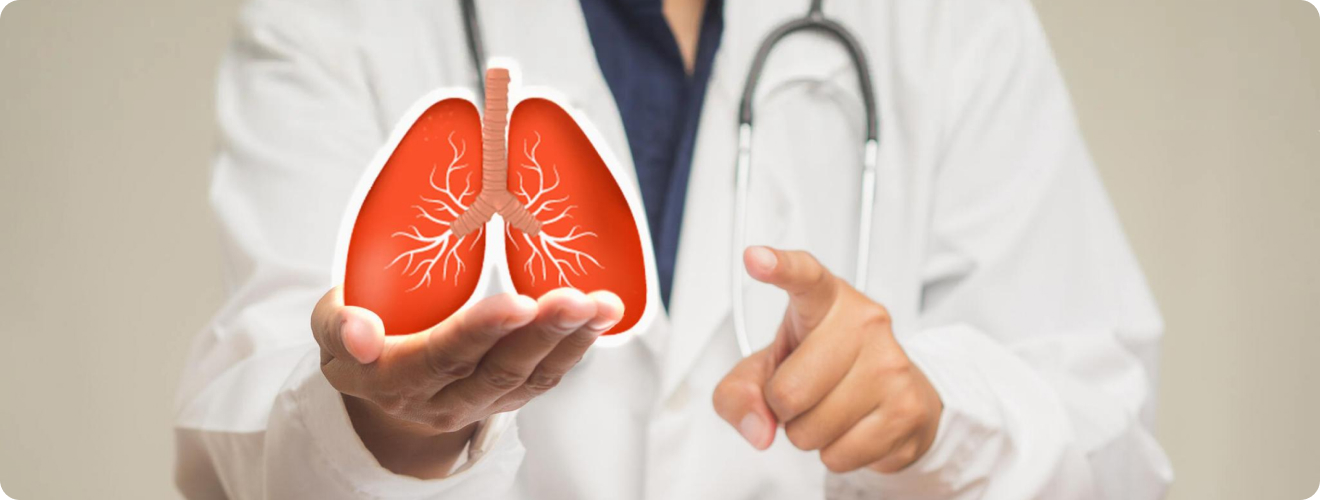
In a world where respiratory health is becoming increasingly critical, knowledge of the common lung diseases that affect us is paramount. From chronic conditions such as asthma to more severe illnesses such as lung cancer, our lungs face various challenges.
In this comprehensive guide, we’ll delve into five prevalent lung diseases and deep dive into their causes, symptoms, treatments, and preventive measures.
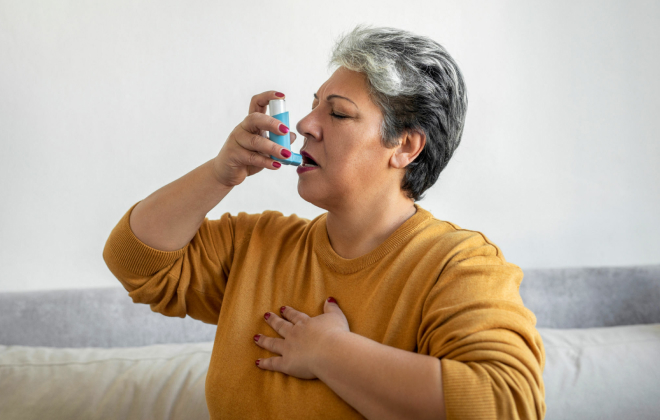
Asthma causes inflammation and narrowing of the airways, making it hard to breathe. Genetics, environmental triggers, and immune system issues can contribute to asthma.
Common triggers include allergens, respiratory infections, air pollution, tobacco smoke, and certain medications or food additives.
Recognising asthma symptoms is important for timely treatment. Common signs include:
Symptoms can vary in severity and frequency, with some experiencing mild, intermittent episodes and others facing severe attacks.
Various kinds of medications are used for managing asthma symptoms, such as inhaled corticosteroids, long-acting beta-agonists, leukotriene modifiers, and combination inhalers. Short-acting beta-agonists provide quick relief during acute asthma attacks, while oral corticosteroids may be used for severe cases. Biologic therapies can target specific immune pathways for tough cases of asthma.
So, what can you do to protect yourself? Identifying and avoiding triggers such as allergens, irritants, and respiratory infections is a great way to make the beginning. Sit with your healthcare team and develop a personalised asthma action plan that addresses your specific concerns. Monitor your lung function regularly and follow up with healthcare providers. Maintain a healthy lifestyle to improve lung function and manage stress.
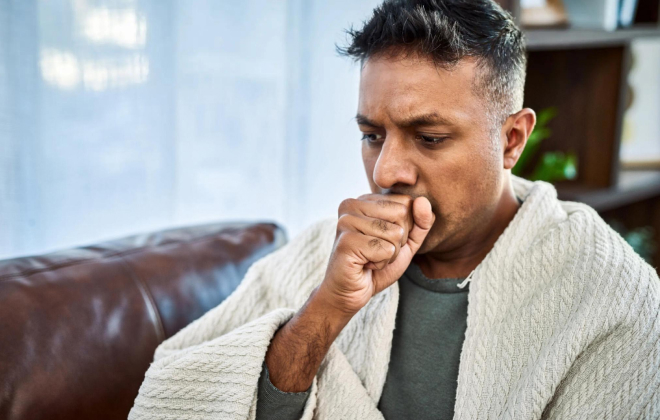
COPD encompasses a group of progressive lung diseases, including emphysema and chronic bronchitis, characterised by airflow limitation and breathing difficulties.
Long-term exposure to irritants such as cigarette smoke, air pollution, and occupational dust or chemicals significantly increases the risk of developing COPD.
The most common symptoms of COPD include:
Medications like bronchodilators, inhaled corticosteroids, and PDE4 inhibitors help improve airflow and reduce symptoms of COPD. Pulmonary rehabilitation programmes can enhance symptoms, exercise capacity, and quality of life. In very severe cases, oxygen therapy may be used. In some cases, the doctor may suggest surgical interventions like lung volume reduction surgery and lung transplantation.
The main risk factor for COPD is smoking. Quitting smoking and avoiding secondhand smoke is crucial for preventing and slowing its progression. Managing COPD symptoms includes reducing exposure to air pollutants such as dust, fumes, and chemicals. Use air filters indoors and avoid outdoor activities on high-pollution days. Reduce respiratory infection risk by practising good hygiene and getting flu and pneumonia vaccines.
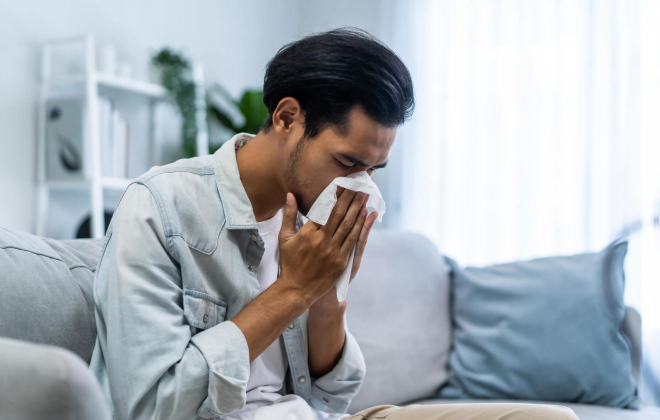
Pneumonia is an acute respiratory infection that inflames the air sacs in one or both lungs, leading to symptoms such as cough, fever, chills, chest pain, and difficulty breathing.
Bacterial, viral, and fungal pathogens can cause pneumonia, with the elderly, young children, and individuals with weakened immune systems being particularly vulnerable.
The common symptoms of pneumonia are:
The first treatment for pneumonia is antibiotics, which are used to treat bacterial pneumonia. Antiviral medications like oseltamivir may be prescribed for viral pneumonia. Usually, the patients are given other supportive care such as pain relievers, hydration, rest, and proper nutrition. Severe cases of pneumonia may require hospitalisation for intensive treatment and monitoring.
Get vaccinated against pneumonia-causing pathogens like PCV13 and PPSV23, and get an annual flu shot to prevent secondary pneumonia. Practise good hand hygiene by washing hands regularly and avoiding touching the face. Cover your mouth and nose when coughing or sneezing, and maintain good respiratory etiquette in public settings. Stay healthy with regular exercise, balanced nutrition, adequate sleep, and managing underlying health conditions to reduce the risk of pneumonia.
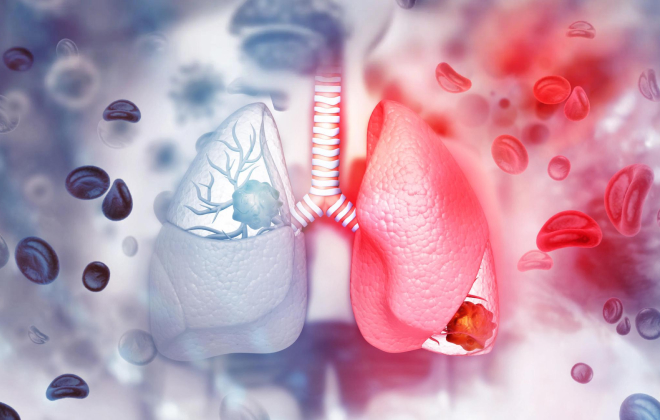
Lung cancer is one of the most prevalent and deadliest cancers globally, primarily associated with tobacco smoking but also occurring in non-smokers due to factors like secondhand smoke, radon exposure, and environmental pollutants.
This malignancy originates in the lungs, typically from the cells lining the airways or air sacs, and can spread to other parts of the body if not detected and treated early.
The key symptoms of lung cancer include shortness of breath, hoarseness, wheezing, persistent cough with bloody or rust-coloured phlegm, worsening chest pain, and frequent respiratory infections. Unexplained weight loss, fatigue, and loss of appetite may also be present. If any of these symptoms persist for more than two weeks, it is important to see a doctor for early detection and evaluation of lung cancer.
If a tumour is involved in the cancer, it is generally removed surgically or using minimally invasive techniques. Radiation therapy and chemotherapy are also used to target and destroy cancer cells. Targeted therapy and immunotherapy offer personalised treatment options with fewer side effects.
Quitting smoking is the best way to prevent lung cancer, and programmes, therapies, and counselling can help. Avoiding environmental pollutants like secondhand smoke and screening high-risk individuals early with low-dose CT scans can also reduce risk. Making healthy lifestyle choices such as exercising, eating well, and maintaining a healthy weight can improve overall well-being.
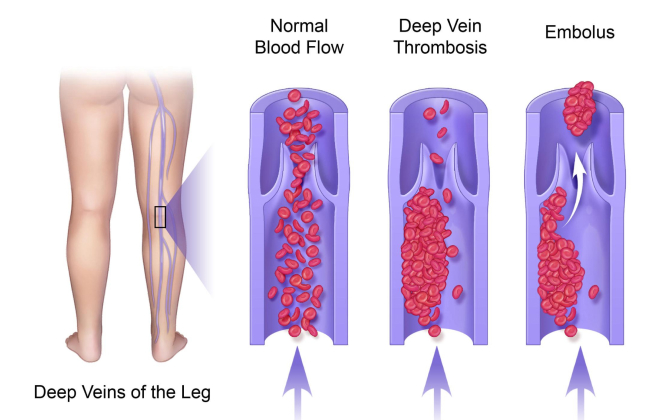
Pulmonary embolism (PE) occurs when a blood clot forms in a deep vein (usually in the legs) and travels to the lungs, obstructing blood flow in the pulmonary arteries.
This condition can be life-threatening, causing sudden onset chest pain, shortness of breath, rapid heart rate, coughing up blood, and in severe cases, cardiac arrest.
The symptoms of pulmonary embolism include shortness of breath, chest pain, rapid heartbeat, and coughing up blood. Seek immediate medical help if you experience these symptoms.
Since blood clot is the main issue here, anticoagulant therapy is used to prevent and stabilise the clots. Thrombolytic therapy is used in severe cases to dissolve the clots quickly. A retrievable IVC filter may be used when anticoagulant therapy is not an option to trap clots and prevent them from travelling to the lungs.
To prevent Deep Vein Thrombosis (DVT), individuals at risk can receive anticoagulant therapy or use mechanical measures like compression stockings. Encouraging early ambulation, wearing compression stockings, staying hydrated, and avoiding prolonged immobility can help reduce the risk of DVT formation.
Understanding the causes, symptoms, and treatments of common lung diseases is vital for maintaining optimal respiratory health. Whether it’s managing chronic conditions like asthma and COPD, preventing infections like pneumonia, or recognising the early signs of serious illnesses like lung cancer and pulmonary embolism, prioritising lung health can significantly enhance overall well-being and longevity.
By adopting healthy lifestyle habits, avoiding tobacco smoke and environmental pollutants, and seeking prompt medical attention for respiratory symptoms, individuals can take proactive steps to safeguard their lungs and enjoy a higher quality of life for years to come.
Sources:
 Call Us
Spread the love, follow us on our social media channels