

Emergency Hotline
+(603) 5515 1999

Appointments
+(603) 5515 1966
General Line
+(603) 5515 1888

 March 21, 2024
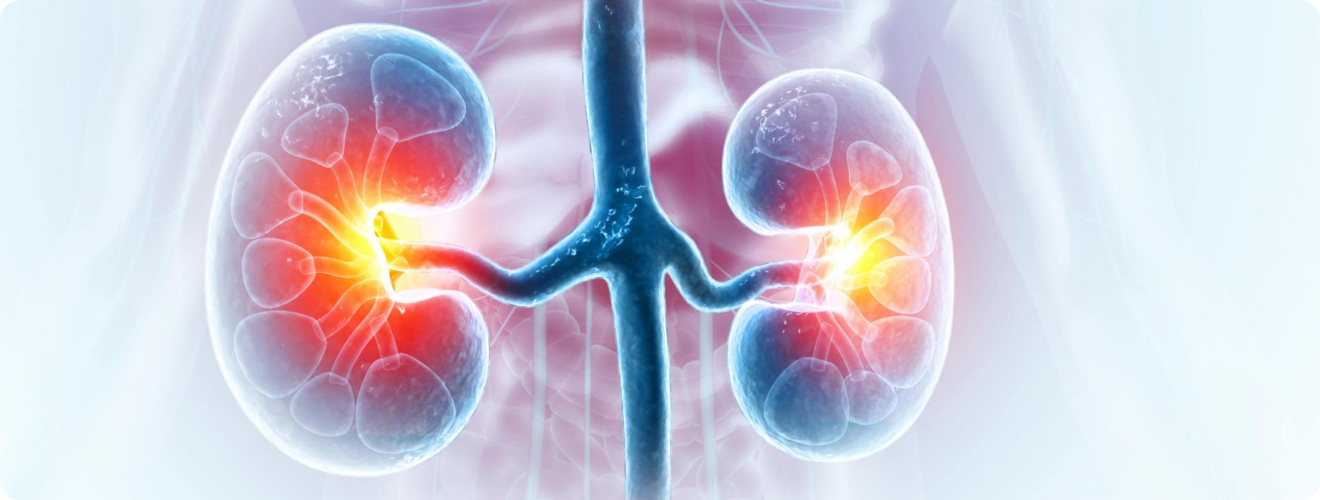
Out of all the vital organs in our body, our kidneys hold a unique status. Although they are smaller in size compared to other major organs, they perform one of the most important functions for the body – filtering out waste from our bodies. Hence, any ailment related to the kidney has to be treated carefully.
One such ailment, suffered by at least 5 million people around the world is Lupus Nephritis. Let’s deep dive into this disease and understand its nuances.
Lupus nephritis is a kidney ailment faced by people who have systemic lupus erythematosus (or lupus in short), an autoimmune disease where the body’s immune system attacks its own cells and organs. During lupus, the immune system makes proteins called autoantibodies which attack organs and tissues in the body, including the kidneys. This condition is known as lupus nephritis.
During lupus nephritis, lupus autoantibodies affect parts of the kidneys, thus affecting its ability to filter waste. This leads to irritation and swelling of the kidneys. This can affect the functioning of the kidneys, resulting in blood and protein in the urine and high blood pressure. This condition can become serious and lead to kidney failure as well.
While researchers have still not been able to pinpoint the exact cause of lupus nephritis, they believe that it is linked to interactions between genes, hormones and environmental factors.
Family history plays a vital role and so are things in your environment such as viruses, infections, toxic chemicals and pollutants.
The most common symptoms of lupus nephritis include:
The symptoms of lupus nephritis are often similar to other diseases, hence many people suffer from the disease for some time before receiving a formal diagnosis. There’s no single test to diagnose lupus. However, lupus nephritis is diagnosed using a combination of different methods:
The doctor designs the treatment plan based on the patient’s specific conditions. The primary treatment of lupus is using drugs to block the body’s immune system. Normally, the treatment includes:
The key to the treatment lies in finding a healthcare provider who listens to the patient’s concerns. Sometimes patients may be referred to other specialists if other organs are affected as well.
Any drug during any treatment can have side effects and how it affects someone varies from person to person. It is necessary to speak to your doctor regarding the side effects and benefits of any treatment before starting it. Most side effects of lupus nephritis treatment are manageable for most patients.
Women diagnosed with lupus nephritis who want to have children need to discuss their plans with their healthcare provider so that the treatment doesn’t interfere with their pregnancy plans. There are also ways to reduce the side effects of treatment, which the doctor can assist with.
While medication is the primary treatment of lupus nephritis, lifestyle changes can bring a world of change to managing this disease. Speak to your healthcare team for a holistic approach to living with the disease.
Incorporating kidney-friendly food is key to managing the disease and lowering blood pressure. Speak to a renal dietician to understand what you can eat and cannot. Here are some nutrition tips that can be helpful:
While these methods are useful, make sure to speak to your doctor before making any changes to your diet.
The role of exercise in our physical and emotional well-being has long been established. It can also help strengthen parts of the body that are affected by lupus nephritis. Focus on low-impact exercises such as walking and yoga to strengthen your bones and muscles. Talk to your doctor to understand what kind of exercises are allowed for you.
The importance of mental health in managing any chronic condition is often undermined. It is okay to feel frustrated or low after receiving the diagnosis or while living with the disease. Practice techniques such as meditation that can improve your mental health and reduce stress.
Another essential aspect of managing the disease is sleep. Get at least 7 hours of well-rested sleep to reduce stress and anxiety. You can follow sleep-inducing techniques to ensure that you get a good night’s sleep.
A diagnosis of lupus nephritis can be difficult to handle. However, it is important to know that proper treatment is the most important aspect of managing the disease and helping you live a comfortable life. Make sure to follow your doctor’s advice and recommendations as much as possible to make your life comfortable. There are a lot of resources online which can help you find practical tips and techniques for living with the disease. Minor lifestyle changes can go a long way in living a comfortable life with the disease.
 Call Us
Spread the love, follow us on our social media channels