

Emergency Hotline
+(603) 5515 1999

Appointments
+(603) 5515 1966
General Line
+(603) 5515 1888

 March 20, 2024

Obesity has long been identified as a major health concern across the globe. In Malaysia, the National Health Screening Initiative 2023 found that 53.5% of Malaysians screened were overweight or obese. This is concerning!
While much has been talked about obesity, today, we want to address a specific aspect related to it – how sugar contributes to this issue.
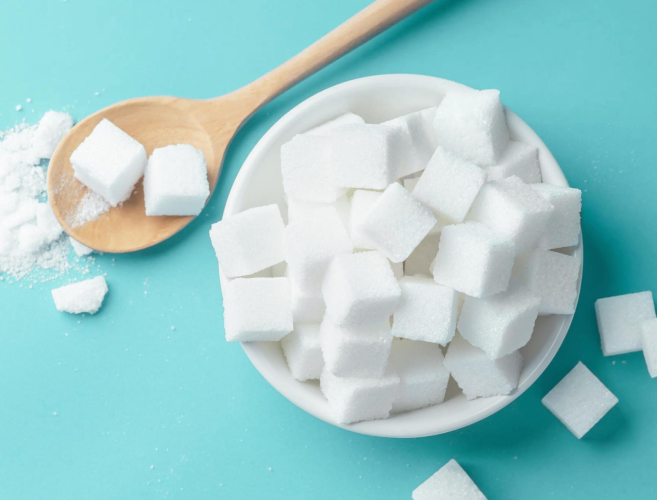
As a carbohydrate, the primary function of sugar is to provide energy to us. One of the simplest forms of sugar is glucose, which is broken down by the body to create energy. While the term sugar denotes all sweet carbohydrates, in a more colloquial term, by sugar we mostly mean sucrose or table sugar.
Sugars are naturally found in many foods such as food and dairy products. Sugar can also appear in many forms such as white sugar, brown sugar, jaggery, honey, corn syrup, maple syrup and more. While refined or processed sugar provides quick energy, it doesn’t have any nutrients such as vitamins or minerals. Too much sugar in the diet makes it energy-dense and leads to health issues such as obesity and diabetes.
Sugar is an inherent component of the processed food industry, as it makes food products more tasty. Sugar also acts as a preservative in processed foods and prevents mould from forming.
Sugar gets converted to energy or kilojoules (kJ) per gram. Any energy, over and above the requirement of the body gets converted into fat. Most food with a high concentration of sugar is considered to be energy-dense. It is easy to overindulge in food which has a high concentration of sugar. Thus, we end up consuming more energy than we require, thus accumulating fat in our bodies.
Excess weight is directly linked to the risk of type 2 diabetes, high blood pressure and high cholesterol. Obesity increases the risk of heart failure as well.

WHO recommends the intake of free sugars to less than 10% of total energy intake in both adults and children.
WHO also suggests a further reduction of free sugars to below 5% of total energy intake to have a healthier life.
Any food that has been changed in any way from its natural state is processed food. Processing includes canning, freezing, washing or adding ingredients to it. Baking is also a part of food processing.
In general food processing improves the longevity of the food. For example, canning helps keep fruits and vegetables fresh for a long time. Pasteurising milk and cheese increases its shelf life. So consuming processed food in general is not bad, and honestly speaking, you can’t really avoid it.
The problem lies with ultra-processed foods. These are foods which contain high levels of sugar, salt and saturated fat. While they satiate our taste buds, they fill us up faster, thus leaving less room for nutritious food in our diet. Such foods contain unhealthy additives and preservatives as well.
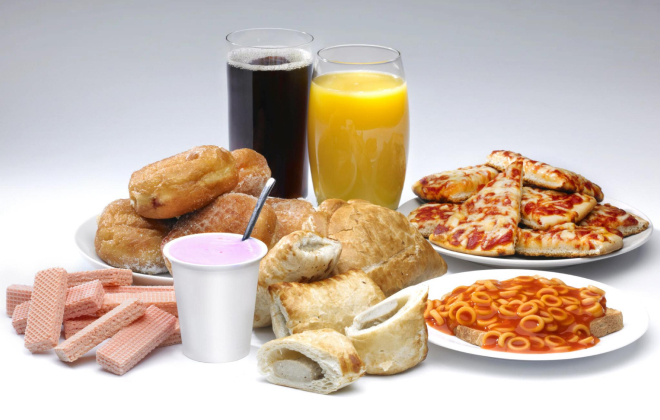
Some of the most common ultra-processed foods include sweets, chips, colourful sugary drinks, breakfast cereals and packaged bread. They all have ingredients such as sweeteners, emulsifiers, artificial colours and flavours which are considered unhealthy.
Other ultra-processed foods low in nutrition are processed meats such as sausages and hams, pre-prepared meals, biscuits, pastries, ice creams, cakes and buns. Plant-based meat is also ultra-processed, although it is marketed as healthy.
Sugar makes any food sweeter, thus making it tastier. Human beings have a natural preference for sweet food. Hence sugar, in various forms, is added to foods to make them more appealing to people.
Apart from this, sugar is used as a preservative for food and for enhancing its colour, texture and other characteristics.


Have a sweet tooth? You are not alone. Everyone craves sugar from time to time, some more than others. Cutting back on sweet food may not be an easy task. Here are some tips that might help:
Our body needs sugar for its daily functioning. But we should take care that most of it comes from naturally-occurring sources. The right kind of knowledge can help you gain the ability to spot hidden sugars and keep the consumption to a minimum.
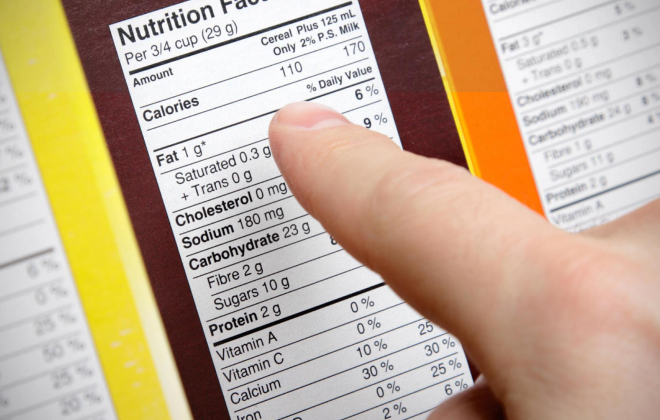
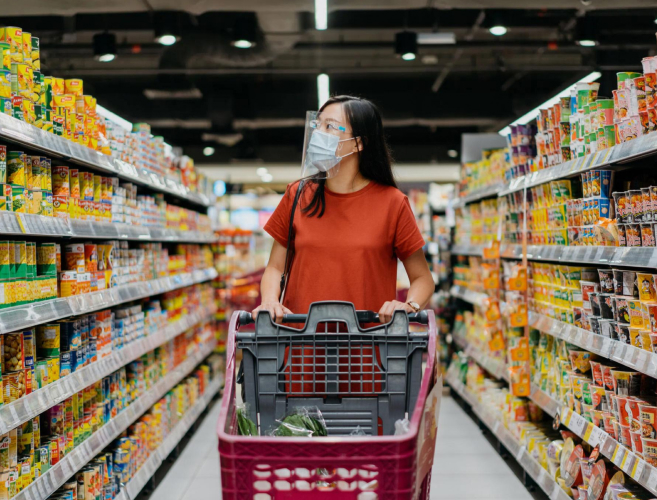
Reading ingredient labels should be a norm while purchasing groceries if you want to limit your sugar intake.
Be careful of anything that tastes unusually good, unless you’ve cooked it yourself. It’s that simple.

 Call Us
Spread the love, follow us on our social media channels