

Emergency Hotline
+(603) 5515 1999

Appointments
+(603) 5515 1966
General Line
+(603) 5515 1888

 March 18, 2024

Out of all the medical emergencies that one faces, probably one of the most dreadful is a stroke. Time is of utmost essence when it comes to attending a stroke patient. Identifying the signs of a stroke and taking the right measures on time can save a precious life.
Let’s get a complete understanding of Ischaemic Stroke to be armed with the right kind of knowledge to attend to a victim.
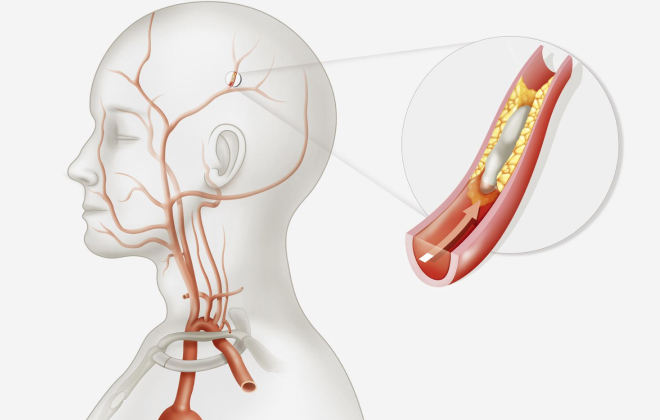
Ischaemic Stroke is a life-threatening medical condition which happens when there’s a lack of blood flow to a part of the brain. This is mostly caused due to blood clots, but it can be caused by other reasons too.
Ischemia refers to a condition when the cells in the body do not get enough blood flow. When the blood flow into areas of the brain gets affected, a person loses the abilities controlled by those brain areas. This can lead to permanent brain damage or even death.
A stroke is a medical emergency, which requires immediate medical attention. Quick medical intervention can reduce brain damage and other complications happening from stroke.
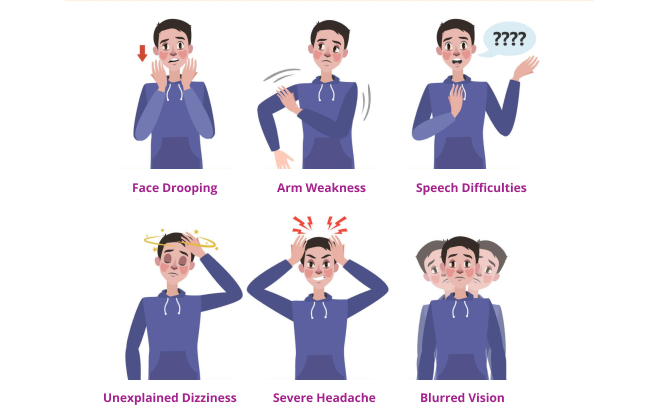
When a person is facing a stroke, they may show one or more of the following signs:
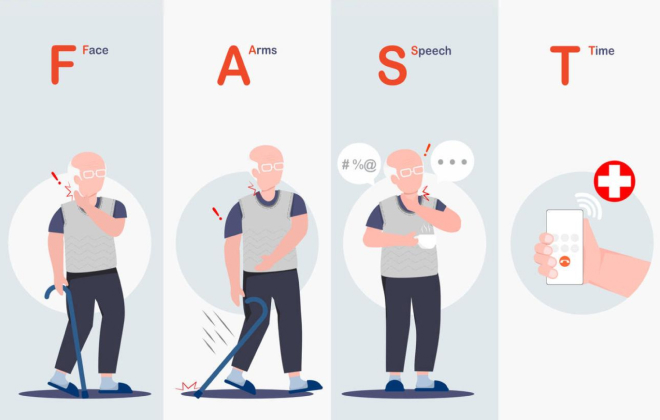
As a layman, understanding when a person is having a stroke can be difficult. A simple rule of thumb is to look for FAST:
We already know that stroke is caused by blockages, but why do these blockages form? Well, here are some of the common reasons:
Atherosclerosis is a condition when there is a build-up on the inside walls of the blood vessels, which carry blood away from the heart. These deposits are commonly known as atheromas or plaque. These build-ups can happen in the large arteries in the neck, which lead to the brain. This may make them stiffer or narrower. As a result, atheromas can get inflamed or break down. This can lead to formation of clots which can block the blood vessels, leading to a disruption of blood flow into the brain.
Atherosclerosis can be caused due to medical conditions such as high cholesterol, high blood pressure and diabetes. Lifestyle factors such as smoking and obesity can also lead to atherosclerosis.
Several heart conditions may lead to a stroke, some of the common ones being:
Small vessel disease is the damage of tiny blood vessels deep inside the brain. The narrowing of blood vessels reduces the flow of blood, leading to a stroke. A series of small strokes may also happen due to this disease, which can increase the risk of bleeding in the brain. Small vessel disease is usually caused due to very high blood pressure. Hence, it is essential to follow the doctor’s advice, whenever one is diagnosed with high blood pressure. Small vessel disease can be diagnosed through a brain scan. It can affect one’s mood or thinking ability and is often linked to cognitive decline and dementia.
The risk of stroke increases manifold when the lining of an artery is damaged. This can happen due to an injury, but sometimes there’s no apparent cause to the damage. The buildup of blood in the damaged area can lead to clots, which can move up to the brain.
Stroke may be caused by other causes such as heart infections or inherited blood clotting disorders.
Stroke can happen to anyone. Following a balanced lifestyle is key to reducing the risk of stroke. Quitting smoking, maintaining a healthy weight, staying active and eating healthy is very important.
For people suffering from hypertension and diabetes, keeping their blood sugar and blood pressure within the normal range is essential. The same holds for cholesterol levels. It is essential to go for regular checkups, especially if one is diagnosed with a heart disease or has a family history of heart disease.
Awareness and medical attention on time can work wonders in preventing a mishap from a stroke.
Ischaemic stroke is primarily caused when blood clots in the brain disrupt the flow of blood into the brain. This can be caused due to various heart conditions such as irregular heartbeat and holes in the heart, narrowed arteries, small vessel disease, damaged arteries and others.
The common five symptoms of an ischaemic stroke are:
1) Sudden numbness or weakness in the face, arm or leg
2) Sudden trouble in seeing with one or both eyes
3) Trouble in speaking and understanding all of a sudden
4) A sudden and severe headache, leading to dizziness, vomiting and confusion
5) Trouble in walking, losing balance or loss of coordination
Remember this acronym: FAST.
Face: See if the face droops when you ask them to smile
Arms: Check if the arm drifts downward when you ask them to raise their arms
Speech: Ask them to speak and check if their speech is different than usual or slurred?
Time: If you see any of these symptoms, call for emergency medical help right away.
The time taken for recovery following a stroke varies from person to person, spanning weeks, months, or even years. While some individuals achieve full recovery, others may experience persistent disabilities lasting long-term or lifelong.
Sources:
 Call Us
Spread the love, follow us on our social media channels