

Emergency Hotline
+(603) 5515 1999

Appointments
+(603) 5515 1966
General Line
+(603) 5515 1888

 January 8, 2024
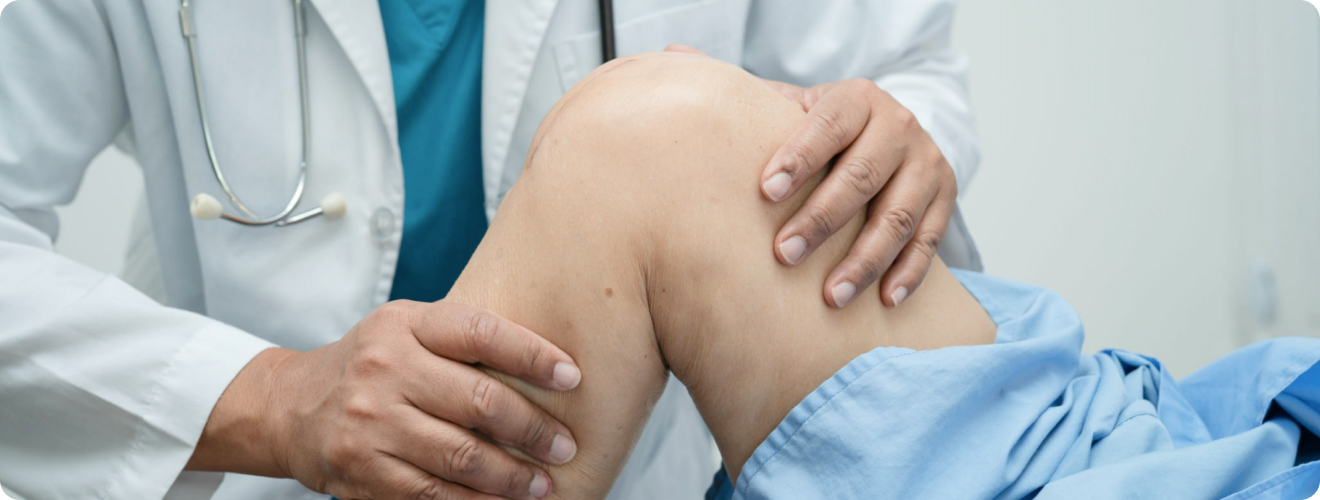
Our knees play a crucial role in our daily life, supporting our entire body and enabling us to move freely. However, they are susceptible to various conditions that can wear them down over time.
If you have been suffering from knee-related issues for a long time, your orthopaedist might suggest a knee replacement surgery depending on your condition. In this article, we will discuss all you need to know about knee surgery.
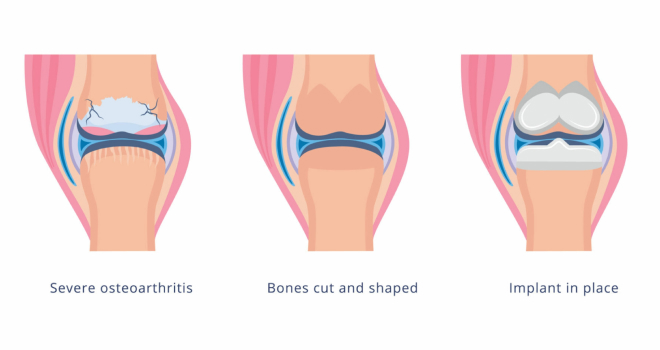
Knee replacement surgery, or arthroplasty, is a surgical operation that replaces the damaged parts of your knee joint with artificial components.
The surgery can relieve pain, improve function, and correct the deformity of your knee. It can also prevent further damage to your knee and other joints.
If you suffer from acute knee pain that hinders your basic activities like standing, walking, or climbing stairs, knee surgery can be a way to help you overcome this. This surgery addresses these issues by replacing the damaged area or entire joint with artificial implants, alleviating pain and enhancing mobility.
Your knee joint consists of the thigh bone, shinbone, and kneecap, with bones resembling rigid tubes with a soft core. Artificial implants, tailored to fit this softcore, replicate your knee’s natural form and function. Ligaments, the tissue bands connecting bones, hold your knee together but may not always be strong enough to support an artificial joint, requiring specialised implants for stability.
While knee surgery can significantly improve your quality of life by lowering discomfort and boosting movement, it is not without risks. It is crucial to discuss with your doctor and weigh the benefits against potential complications before opting for the surgery.
Surgery to replace your knee is recommended when diseases or injuries severely damage your knee joint, causing pain, stiffness, and reduced function. Some common conditions that may need a knee replacement are:
The leading cause of knee replacement surgery is osteoarthritis. During this disease the cartilage on the bones in the joint wears away, causing bone friction and inflammation.
An immune system disorder known as rheumatoid arthritis results in chronic inflammation and swelling of the joint, leading to cartilage and bone erosion, deformity, and instability.
Osteonecrosis is a disorder in which the bone degrades due to a lack of blood supply. It can result from trauma, steroid use, alcohol abuse, or other causes. Other types of inflammatory arthritis, such as gout, psoriatic arthritis, ankylosing spondylitis, and reactive arthritis, can also cause joint damage, pain, and stiffness.
Injuries such as fractures, dislocations, and ligament tears can damage the knee joint and affect its alignment and stability.
Bony tumours are rare but can affect the distal femur and proximal tibia, requiring knee joint reconstruction or replacement.
Several surgical options are available to your surgeon for performing the surgery. The exact procedure followed depends on the complexity of your issue and your health condition.
The most common kind of knee replacement surgery, in total knee replacement surgery the entire knee joint, including the thigh bone, shin bone, and kneecap is replaced.
A partial knee replacement fixes the injured area, often the inner or outer side, of the knee joint. It involves keeping more of the natural bone and tissue and might have quicker recovery and better function.
This surgery replaces a previous artificial knee joint that has worn out, loosened, or infected. It is more complex and challenging and might entail a longer recovery period.
No surgery is foolproof, and so is knee surgery. While it can ease pain and improve mobility, this surgery entails some risks. It is important to be aware of the risks to make an informed decision of whether you want to go for the surgery or not.
Blood clots are clumps of blood in your veins that block blood flow. They can form in your leg and travel to your lungs, causing a deadly condition called pulmonary embolism. Your surgeon may give you blood thinners or compression stockings to prevent clots. You should also move your legs and feet often and avoid sitting too long after the surgery.
When the nerves near your implant get hurt during surgery, the nerves can be damaged. It can cause numbness, weakness, or pain in your leg or foot. It usually gets better over time, but it can be permanent and needs more treatment in rare cases.
Bacteria can enter a wound or artificial joint and cause infection. It can happen at the cut or in the deeper tissue. A patient may experience fever, redness, swelling, or drainage from the wound due to infection. This is why the doctor will prescribe antibiotics before and after the surgery to prevent infection. Keeping the wound clean and dry is of utmost importance.
Loosening or wear and tear occurs when your implant gets loose or worn out from use or activity over time. It can cause pain, stiffness, or instability in your knee. To prevent this, you should follow your doctor’s advice on how to care for your implant and avoid stressing your knee. You may need another surgery to fix or replace your implant if it gets loose or worn out.
Surgery to replace a knee is a major decision that depends on many things, such as:
Your orthopaedic surgeon will be able to guide you in finding answers to all these questions. Ask your surgeon questions to understand different aspects of the surgery such as:
Consider your choice and compare the pros and cons of the surgery. You should also talk to your family, friends, and other healthcare providers. Don’t be pressured or hurried to make a choice. This is an important decision, take your time.
If you choose to have the surgery, prepare beforehand for a smooth experience.
Here are some of the things you should do to prepare yourself for the surgery
To start with you will need some tests, like blood tests, urine tests, chest X-rays, ECG, or COVID-19 tests, to check your health and readiness. Follow your surgeon’s instructions and complete these tests at least a week before the surgery.
You need someone to drive you to and from the hospital. You will also need someone to help you at home for the first few days with your daily routine such as bathing, dressing, cooking, or cleaning. Plan these services and have their phone numbers handy.
To avoid adverse effects from your anaesthesia and ensure a smooth healing, and recovery process, quit smoking, drinking alcohol, or using drugs. Smoking can delay your healing, so give it up at least two weeks before the procedure. Additionally, abstain from consuming alcohol for at least the day prior.
Follow your surgeon’s or anesthesiologist’s instructions about what to eat and drink before the surgery. If they don’t say otherwise, don’t eat or drink anything after midnight the night before the surgery.
You will need some items at the hospital and home, so pack a small bag with these things which may contain:
The duration of the surgery typically ranges from one to two hours, varying based on the procedure’s complexity and type.
During your stay at the hospital post-surgery, you will get the following kinds of assistance from the hospital:
You will receive pain medication through an IV, orally, or via a pain pump. Ice packs, elevation, and compression will also be used for relief. Inform your nurse or doctor about any pain or discomfort to receive assistance.
You will be given blood thinners such as heparin or warfarin to prevent blood clots. Compression stockings or boots may be used to improve circulation, and antibiotics will be used to prevent infection. You will also receive wound care instructions, focusing on keeping the area clean and dry, dressing changes, and monitoring for signs of infection like redness or swelling.
Physiotherapy typically starts within 24 hours of the surgery. A physical therapist will assist you with the aim of mobilising your knee, building muscle strength, and enhancing your balance and coordination. You will learn to use aids such as a walker, crutches, or cane for walking and weight support. Additionally, you will be taught exercises and activities to perform at home, which will help accelerate your recovery and rehabilitation.
You will be ready to leave the hospital once you can walk safely with the help of an assistive device, bend your knee to a minimum of ninety degrees and effectively manage your pain and wound care. Upon discharge, you will receive a comprehensive plan outlining how to continue your recovery and rehabilitation, either at home or at a facility like a rehabilitation centre or a skilled nursing home.
A follow-up appointment with your surgeon will also be scheduled to check your progress and potentially remove your sutures or staples, typically between two to six weeks after the surgery. By following the care and advice of your healthcare team, you can ensure your surgery is successful and safe.
While the journey to recovery and rehabilitation after a knee surgery is different for everyone and largely depends on your age, health, type of surgery, and goals, here’s a generic timeline for the recovery procedure.
Rest, care for your wound, eat well, and exercise. Manage your pain and swelling with medication, ice, elevation, and compression. Use a walker, crutches, or cane to walk and support your weight. Wear compression stockings or boots to prevent blood clots. Use a breathing device such as a spirometer to avoid lung problems like pneumonia.
Walk longer, climb stairs, and drive. Reduce your pain medication and switch to a cane or no assistive device. Remove your wound dressing and shower.
Resume most daily activities, such as dressing, bathing, cooking, cleaning, and shopping. Walk without a cane or any assistive device.
Enjoy more of your hobbies, sports, and social life, such as golf, bowling, dancing, and gardening.
Do most of the things that you used to do before the surgery, such as hiking, skiing, tennis, or running. Do more exercises, such as strength, flexibility, and core exercises, to maintain your fitness and prevent future injuries.

Knee replacement surgery is a significant and life-changing decision that can restore your knee function and mobility and improve your quality of life. It involves a lot of benefits and also some risks. Careful preparation can smoothen the recovery and rehabilitation process and help you achieve the best results.
Following your orthopaedic surgeon’s recommendations can help you get back on your feet quicker. You can seek support and motivation from your family, friends, and others who have had knee replacement surgery to understand the process better. They can assist you in reaching a confident and well-informed decision, overcoming your challenges, and achieving your goals.
Recovery from knee replacement surgery varies from person to person, but most can do everyday activities in 6 to 12 weeks. Some activities, like hiking, skiing, tennis, or running, may take longer.
Walking ability after knee replacement surgery improves gradually with physical therapy and practice. You will start to walk while using a cane, crutches, or other assistance device right after the surgery, however, walking without any support may take a few weeks.
Knee replacement is a crucial procedure that involves cutting, removing, and replacing parts of your knee joint. Hence the days immediately after the surgery can be painful. However, medication and other methods can greatly help manage the pain.
Sources:
 Call Us
Spread the love, follow us on our social media channels