

Emergency Hotline
+(603) 5515 1999

Appointments
+(603) 5515 1966
General Line
+(603) 5515 1888

 January 7, 2024

Millions of people worldwide suffer from the common yet dangerous condition known as Sleep Apnea. It happens when you stop breathing or if your breathing is very shallow during sleep, causing you to wake up briefly and repeatedly throughout the night.
However, many people are unaware that they have sleep apnea, or they ignore the signs and do not seek treatment. This can have detrimental effects on their health and general well-being, as sleep apnea may raise the chance of several chronic conditions, including diabetes, heart disease, stroke, and excessive blood pressure.
This is why it is essential to understand and manage sleep apnea and to seek professional help if you suspect that you or your loved ones have this condition.
Sleep apnea can cause various symptoms that affect your sleep quality and daily functioning. Loud snoring is the most typical sign of sleep apnea, which can disturb your partner or anyone who shares the bedroom with you. However, not everyone with sleep apnea snores, or all snorers, have obstructive sleep apnea.
Another common symptom is experiencing moments when breathing stops, or you gasp for air during sleep. These episodes can last from a few seconds to a few minutes and occur hundreds of times per night. They may also cause you to momentarily wake up repeatedly, disrupting your sleep cycle and preventing you from getting enough deep and restorative sleep.
Additional signs of sleep apnea are dry lips, headaches, insomnia, hypersomnia, difficulty paying attention, and irritability. These symptoms can result from the lack of oxygen and the poor sleep quality caused by sleep apnea. They can also affect your mood, memory, concentration, productivity, and performance at work or school.
If you experience these symptoms, you should not ignore them or dismiss them as usual signs of ageing or stress. Seek a doctor’s advice and follow the treatment plan suggested by them.
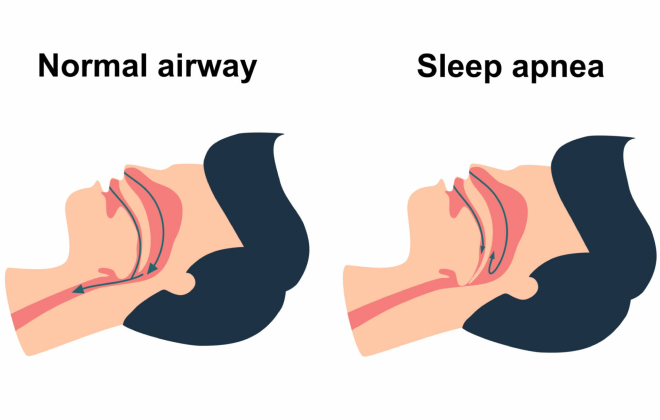
Central sleep apnea (CSA) and obstructive sleep apnea (OSA) are the primary forms of sleep apnea. OSA happens when your tongue, soft palate, or throat muscles block your airway. CSA occurs when the brain cannot convey signals to your breathing muscles.
Both types of sleep apnea can lower the oxygen level in your blood and disrupt your sleep quality. Morning headaches, excessive snoring, and extreme daytime tiredness are typical signs of sleep apnea.
Sleep apnea can have different causes, depending on the type.
The type that occurs most frequently is obstructive sleep apnea (OSA), which happens when something blocks your airway while you sleep. There are numerous potential causes of this, including:
Central sleep apnea (CSA) happens when your brain is unable to communicate the appropriate signals to your breathing muscles during the night. There are several possible reasons for this, such as:
Several popular sleep apnea treatments include:
Sleep apnea can be challenging, but it does not mean you cannot live a fulfilling life. There are many things that you can do to cope with sleep apnea and improve your quality of life, such as:
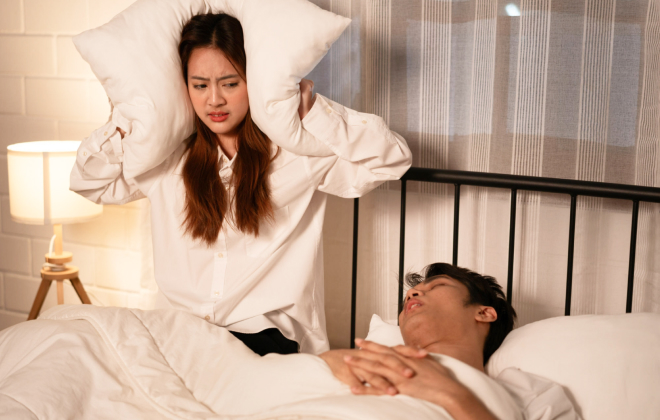
There are numerous myths and misconceptions regarding sleep apnea, which sometimes cause a hindrance for people suffering from it seeking help or getting the proper treatment.
Breaking down these myths can help in providing clarity about the disease.
Let us take a look at some of these myths and the actual realities:
Reality: Sleep apnea can affect anyone, regardless of age, gender, or weight. Although sleep apnea is more common in older and overweight people, it can also occur in young and thin people. Even children can have sleep apnea, significantly more so if they have enlarged tonsils or adenoids.
Reality: Snoring can indicate a potentially serious problem—the snoring sound results from air flowing through a narrowed or obstructed airway, causing the tissues to vibrate. Therefore it can be a significant reason for sleep apnea, it cannot be ignored but it is also true that people with sleep apnea may have silent pauses in breathing or shallow breathing without making any noise. Therefore, in any case, you should not ignore or dismiss snoring as harmless or normal.
Reality: Sleep apnea can have severe consequences for the health and quality of life of a person and increase the risk of various chronic diseases. It can lower the oxygen level in your blood and disrupt the quality and quantity of your sleep. It can affect your mood, memory, concentration, productivity, and performance.
Moreover, sleep apnea can cause or worsen various health problems, such as high blood pressure, diabetes, liver problems, metabolic syndrome, and cardiovascular problems. These issues may result in major side effects such as a heart attack, stroke, or even death. Therefore, you should not underestimate or neglect sleep apnea, and get diagnosed and treated as soon as possible.
Reality: CPAP is the most common and effective treatment option for sleep apnea, but other alternatives are also available, depending on the type and severity of the condition. CPAP therapy can help you improve your sleep quality, daytime alertness, blood pressure, and heart health. However, if you cannot tolerate CPAP therapy or if you have mild or moderate OSA, you may be able to use other treatment options, such as oral appliances, surgery, or supplemental oxygen. These options can also help you improve your breathing and sleep quality.
Reality: Sleep apnea can be treated and managed, and in some cases, cured, with proper diagnosis and treatment. For example, if enlarged tonsils or adenoids cause sleep apnea, surgery can remove them and fix them; or if fat is the cause of sleep apnea, then decreasing weight can reduce or eliminate the symptoms. However, some cases of sleep apnea may not be curable and require lifelong treatment and management.

One of the most common problems faced by people suffering from sleep apnea is daytime fatigue. As they don’t get enough sleep, they experience severe drowsiness and fatigue during the daytime which can lead to irritability. They find it difficult to concentrate at work and may fall asleep while doing regular tasks. This can lead to motor accidents or workplace accidents.
Seeking help for sleep apnea can significantly improve your quality of sleep. It is a known fact that six to eight hours of sound sleep is an essential element of normal living. Treatment and intervention can increase the quality of life remarkably. Talk to your doctor today and regain control of your life.
Central sleep apnea (CSA) and obstructive sleep apnea (OSA) are typically the main two types of sleep apnea. OSA results from an airway obstruction, whereas CSA results from a problem with the brain’s signals to the breathing muscles.
Sleep apnea can be fixed or cured depending on the seriousness and fundamental reason of the ailment. For example, if enlarged tonsils or adenoids cause sleep apnea, surgery can remove them and cure the condition. However, some cases of sleep apnea may not be curable and require lifelong treatment and management.
The warning signs of sleep apnea include loud snoring, stop-breathing episodes, gasping for air, dry mouth, headache, insomnia, hypersomnia, difficulty paying attention, and irritability. You should see your healthcare provider immediately if you notice these signs.
Sources:
 Call Us
Spread the love, follow us on our social media channels