

Emergency Hotline
+(603) 5515 1999

Appointments
+(603) 5515 1966
General Line
+(603) 5515 1888

 April 26, 2026
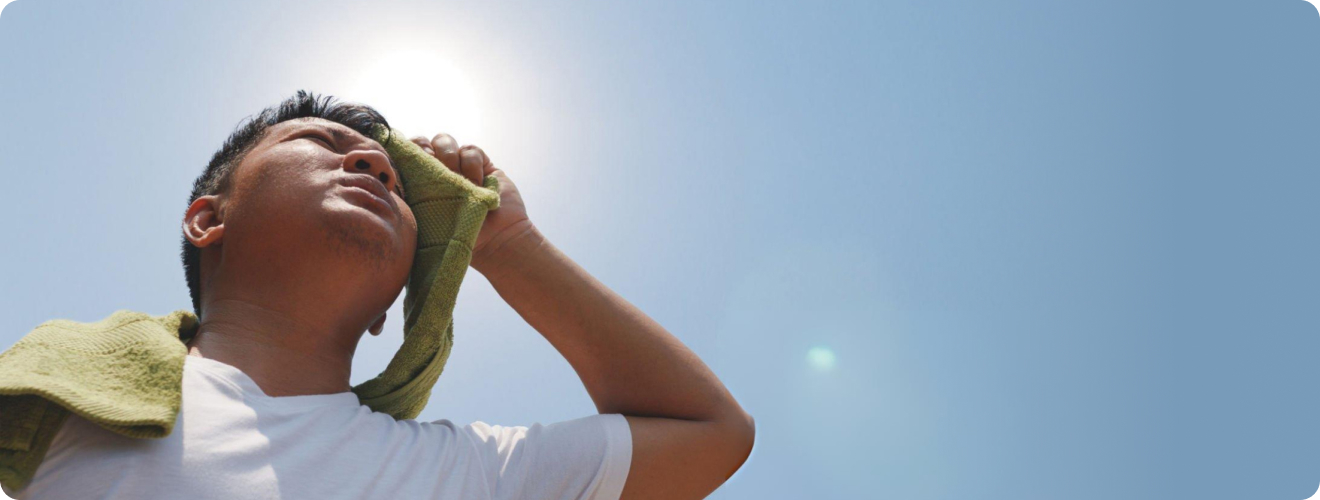
Malaysia’s tropical climate is no stranger to heat, but in recent years, prolonged periods of unusually high temperatures have become more frequent and intense. These “hot spells” are not just uncomfortable but they pose serious health risks, especially when proper precautions are not taken. From dehydration to life-threatening heat stroke, the dangers of extreme heat can escalate quickly and unexpectedly.
Understanding how to protect yourself during Malaysia’s high temperature days is essential, particularly for vulnerable groups such as children, the elderly, and individuals with chronic illnesses. More importantly, recognizing when heat-related symptoms become a medical emergency can save lives.
This article provides a comprehensive, medically grounded guide on how to stay safe in extreme heat, how to identify early warning signs, and when to seek urgent care, including access to emergency departments and pre-hospital ambulance services.
The human body maintains a stable internal temperature, typically between 36°C and 38°C, through a process known as thermoregulation. This system relies on mechanisms such as sweating and increased blood flow to the skin to dissipate heat. However, when environmental temperatures are extreme, especially with high humidity, or during intense physical activity, these cooling mechanisms can become overwhelmed.
Heat stroke occurs when thermoregulatory responses are no longer adequate to preserve homeostasis. This may result from external factors like high temperatures and humidity, or from physiological limitations. Vulnerable groups include children, the elderly, and individuals with chronic illnesses such as diabetes, heart disease, or renal failure. Additional risk factors include dehydration, certain medications, reduced cardiovascular capacity, and lack of acclimatization.
As the body struggles to cope with rising temperatures, heat-related illnesses develop along a spectrum. Heat cramps are often the earliest sign, followed by heat exhaustion, which presents with heavy sweating, fatigue, dizziness, nausea, and headaches. If untreated, this can progress to heat stroke, where core body temperature exceeds 40°C and thermoregulation fails.
At this stage, excessive heat leads to protein denaturation, disruption of cellular processes, and eventual cell death. This triggers inflammation, damages blood vessels, and may result in complications such as disseminated intravascular coagulation. Severe outcomes include encephalopathy, rhabdomyolysis, acute renal failure, and respiratory distress. Central nervous system dysfunction becomes pronounced above 42°C, often leading to life-threatening consequences without immediate treatment.
Malaysia’s high humidity levels significantly impair the body’s ability to cool itself through sweating. When sweat does not evaporate efficiently, heat remains trapped in the body, accelerating the onset of heat-related illness.
Urban areas further amplify this risk through the “urban heat island” effect. Concrete surfaces, buildings, and reduced green spaces absorb and retain heat, making cities significantly warmer than surrounding rural areas.
Certain groups are more susceptible to heat-related illnesses. Older adults may have reduced sweating capacity and underlying health conditions. Children are less able to regulate body temperature effectively. Individuals with chronic diseases such as heart disease, diabetes, or respiratory conditions face increased risks.
Outdoor workers and athletes are also particularly vulnerable due to prolonged sun exposure.
Heat stroke often develops from untreated heat exhaustion. Early signs include a throbbing headache, dizziness, nausea, and confusion. As the condition progresses, symptoms may worsen to include a high body temperature, dry or hot skin, rapid heartbeat, and altered mental state.
When symptoms escalate to confusion, seizures, fainting, or loss of consciousness, the situation becomes critical. Heat stroke can cause organ failure within minutes and must be treated as a medical emergency.
Immediate action is essential. The affected individual should be moved to a cooler environment, and attempts should be made to lower their body temperature while waiting for medical assistance. Delaying treatment significantly increases the risk of severe complications or death.
In such situations, individuals should proceed immediately to the nearest Emergency Department or contact ambulance services for urgent medical care. Early intervention can be life-saving.
Stay Hydrated
Hydration is the cornerstone of heat protection. Drink plenty of fluids throughout the day, even if you are not thirsty. Water is best, while electrolyte-containing drinks can help after prolonged sweating. Avoid alcohol and limit caffeinated beverages, as they can contribute to dehydration.
Dress Appropriately
Wear lightweight, loose-fitting, and light-coloured clothing to promote air circulation and reflect heat. Natural fabrics such as cotton are recommended. Use hats or umbrellas when outdoors to reduce direct sun exposure.
Manage Physical Activity
Schedule strenuous activities during cooler parts of the day, such as early morning or evening. Avoid outdoor activities during peak heat hours (late morning to mid-afternoon). If activity is unavoidable, take frequent breaks in shaded or air-conditioned areas and allow time for gradual acclimatization to heat.
Limit Heat Exposure
Avoid direct sunlight whenever possible and make use of shaded areas. Reduce unnecessary outdoor activities during extreme temperatures.
Maintain a Cool Environment
Stay in well-ventilated or air-conditioned spaces. Use fans, close curtains during peak sunlight hours, and take cool showers or apply damp cloths to help lower body temperature.
Eat Light and Balanced Meals
Consume lighter meals that are easier to digest to reduce internal heat production. Increase carbohydrate intake and reduce excessive protein consumption where appropriate. Include fruits and vegetables with high water content, such as watermelon and cucumbers.
Replenish Electrolytes
Replace minerals lost through sweating (e.g., sodium and potassium) with appropriate fluids or oral rehydration solutions when needed.
Avoid Harmful Practices
Do not use salt tablets unless medically advised.
Monitor Environmental Conditions
Stay informed about weather forecasts and heat index levels to plan daily activities safely.
Improve Access to Cooling
Encourage access to air-conditioned environments, especially for high-risk individuals. Spending even a few hours daily in cooled spaces (e.g., malls or community centre) can significantly reduce risk.
Promote Awareness and Education
Educate the public on recognizing early signs of heat-related illness and the importance of seeking immediate medical attention when symptoms occur.
Targeted education should include:
Support Vulnerable Groups
Extend social and healthcare support for the elderly, chronically ill, and other high-risk populations.
Workplace and Activity Safety
Allow proper acclimatization for individuals exposed to hot environments. Implement paced work schedules and ensure regular rest breaks under shaded or cooled conditions.
Children may not recognize or communicate symptoms of heat-related illness effectively. Caregivers should ensure they are well-hydrated, dressed appropriately, and not exposed to direct sunlight for prolonged periods. Never leave children unattended in vehicles.
Older adults may have diminished thirst perception and underlying medical conditions that increase vulnerability. Regular monitoring, ensuring adequate hydration, and maintaining a cool living environment are critical.
Patients with conditions such as cardiovascular disease, kidney disease, or diabetes should take extra precautions. Certain medications may also affect the body’s ability to regulate temperature or retain fluids. Consulting a healthcare provider for personalized advice is recommended.
If someone shows signs of heat stroke, rapid intervention is crucial. Move the person to a shaded or air-conditioned area and remove excess clothing. Apply cool water to the skin and use fans to promote evaporation. If ice packs are available, they can be placed on areas such as the neck, armpits, and groin.
Do not give fluids if the person is unconscious or unable to swallow safely.
Heat stroke is not a condition that can be managed at home. Immediate medical attention is required. Individuals should be taken to the nearest Emergency Department without delay.
Ambulance services play a critical role in such emergencies. Pre-hospital care teams are trained to begin life-saving interventions even before reaching the hospital. Accessing timely ambulance support can significantly improve outcomes, particularly in severe cases.
If you suspect heat stroke or severe heat exhaustion, do not hesitate to contact emergency medical services. Prompt action can make the difference between recovery and serious complications.
Pre-hospital care refers to medical assistance provided before a patient arrives at the hospital. In heat-related emergencies, this can include rapid cooling measures, oxygen support, intravenous fluids, and continuous monitoring of vital signs.
Ambulance teams are trained to respond quickly and manage critical situations on-site. This immediate intervention is especially crucial in cases of heat stroke, where every minute counts. Early cooling and stabilization significantly improve survival rates and reduce the risk of long-term complications.
Hospitals with dedicated Emergency Departments and ambulance services are equipped to manage heat-related emergencies effectively. Patients and caregivers should always be aware of how to access these services quickly, particularly during periods of extreme heat.
Having a plan in place, such as knowing the nearest hospital and emergency contact numbers, can save valuable time in urgent situations.
In a heat-related emergency, fast and professional medical response can make all the difference. Avisena Specialist Hospital offers comprehensive pre-hospital and ambulance services designed to deliver timely, life-saving care right from the moment help is needed.
Their trained medical team provides on-site emergency management and safe transport to the hospital’s Emergency Department, ensuring continuity of care throughout the critical early stages of treatment.
Prompt action saves lives, reach out immediately when every second matters.

If you or someone around you shows signs of severe heat exhaustion or heat stroke, do not delay seeking help. You can learn more about their services or request assistance here: Pre Hospital Care Services

Malaysia’s rising temperatures are not merely uncomfortable; they pose a genuine threat to public health. Knowing how excessive heat impacts the body, identifying early symptoms, and adopting preventive steps can greatly lower the risk of heat-related illnesses.
Above all, heat stroke should always be regarded as a medical emergency. Any delay in response can result in severe, potentially fatal consequences. Prompt action whether through immediate first aid, seeking care at an emergency department, or calling for ambulance services, can make the difference between life and death.
With greater awareness, preparation, and proactive habits, both individuals and communities can better protect themselves and stay safe during periods of extreme heat.
Heat exhaustion is a milder condition characterized by heavy sweating, weakness, and dizziness. Heat stroke is a severe, life-threatening condition where the body loses its ability to regulate temperature, leading to high body temperature and neurological symptoms.
Fluid needs vary depending on activity level and individual health, but generally, you should drink more water than usual and not wait until you feel thirsty. Clear or light-coloured urine is a good indicator of adequate hydration.
No. Heat stroke is a medical emergency that requires immediate professional care. While first aid measures can be started, the patient must be transported to a hospital as soon as possible.
High-risk groups include the elderly, young children, individuals with chronic illnesses, and those who work or exercise outdoors.
You should call an ambulance immediately if someone shows signs of heat stroke, such as confusion, loss of consciousness, seizures, or a very high body temperature. Early medical intervention is critical.
No. Even a few minutes in a parked car can become dangerously hot. Children should never be left unattended in vehicles.
Exercise during cooler hours, stay hydrated, wear appropriate clothing, and take frequent breaks. Gradually build tolerance to heat instead of sudden intense activity.
No. Salt tablets are generally not recommended unless prescribed by a healthcare professional. Electrolyte drinks or balanced meals are safer options
Yes. Cold drinks can help cool the body, but avoid very sugary, alcoholic, or highly caffeinated beverages as they may worsen dehydration.
 Call Us
Spread the love, follow us on our social media channels